
Key Takeaways
- Limestone's abrasive nature can reduce a standard carbon steel silo's lifespan to as little as 3-5 years in high-wear zones, whereas a properly designed AR steel silo can last 15-20 years.
- The hopper section and the transition zone (where mass-flow begins) experience the highest wear rates, often 3-4 times greater than the cylindrical shell.
- Using 400 BHN (Brinell Hardness Number) abrasion-resistant steel in critical zones can decrease material loss by over 60% compared to mild steel.
- A mass-flow hopper design, while steeper (typically >60° for limestone), promotes even wear and prevents the stagnant zones where abrasive material can become compacted and cause structural issues.
- Implementing strategic wear plates in the lower 30% of the silo can save 25-40% in lifetime repair costs versus a uniform-thickness shell design.
- A single 500-tonne limestone silo project requires an initial design investment of 10-15% more for AR materials, but this can yield a 300%+ return by avoiding mid-life relining or replacement.
Why Standard Silo Design Fails for Abrasive Limestone
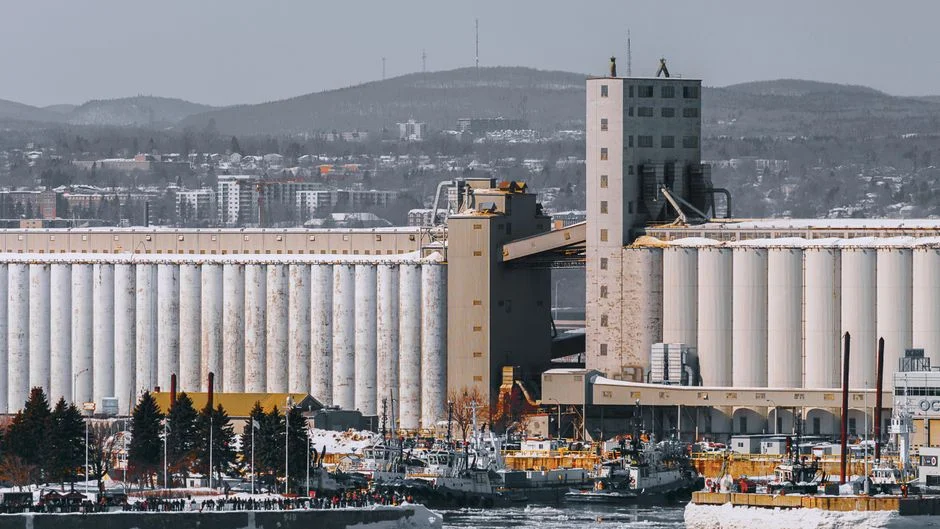
In our 15+ years of designing bulk material handling systems, we've seen countless silos fail prematurely because they were designed for generic materials like corn or cement clinker. Limestone presents a unique and severe challenge: it is both abrasive and often slightly corrosive (due to moisture and CO₂ absorption). The primary wear mechanism is high-velocity impact and sliding abrasion.
On a recent project in Southeast Asia, a client showed us a silo for 5mm limestone aggregate that had been in service for only 3 years. The conical hopper had worn through completely in a channel pattern, causing a dangerous spill. The root cause? They used 6mm thick mild steel (Q235) for the entire hopper, ignoring the flow-induced abrasion calculations. Standard design codes like ISO 22965 (Design of silos) and ACI 313 (Recommended Practice for Design and Construction of Concrete Silos) provide structural guidelines, but they do not prescribe specific abrasion-resistant material selection. This critical detail is left to the engineer's expertise and understanding of the stored material.
Choosing the Right Materials: Beyond Simple Thickness
The first line of defense is material selection. Simply making the steel thicker is inefficient and often ineffective against through-wear. We advocate for a zoned approach:
| Material | Hardness (BHN) | Relative Abrasion Resistance* | Typical Application Zone | Cost Premium vs. Mild Steel |
|---|---|---|---|---|
| Mild Steel (e.g., A36, Q235) | 120-180 | 1.0x (Baseline) | Upper cylindrical shell only | - |
| Abrasion-Resistant Steel (e.g., HARDOX® 400) | 370-430 | 3.0 - 4.5x | Hopper, cone, feed zones | 60-100% |
| Stainless Steel (e.g., 304L) | 150-200 | 1.2 - 1.5x | High-moisture/corrosive limestone only | 150-300% |
| Weld Overlay Cladding | 500-600+ | 5.0x+ | Extremely high-wear discharge points | 200-400% |
*Relative values are based on ASTM G65 dry sand rubber wheel test data and field observation.
Definition: BHN (Brinell Hardness Number)
BHN is a measure of a material's resistance to indentation. For abrasion-resistant steels, a higher BHN (e.g., 400+) generally indicates better wear life against sliding abrasion from materials like limestone, silica sand, or iron ore. It is a more critical parameter than simple tensile strength for silo design in abrasive applications.
Hopper Geometry and Flow Dynamics: The Core of Abrasion Management
The design of the hopper is paramount. The goal is to achieve mass flow, where all material in the silo is in motion during discharge. This prevents the formation of a stagnant, hardened core (rat-holing) that forces new material to flow down the highly abrasive central channel.
- Hopper Angle: For limestone with a particle size of 0-10mm and moderate moisture (<1.5%), we typically design hopper wall angles of 60° to 70° from the horizontal. This is steeper than the standard 45° used for less abrasive materials.
- Outlet Size: Must be sized to prevent arching but not so large as to create excessive, uncontrolled flow velocities. We calculate this using Jenike shear testing data specific to the limestone's bulk density (1.3-1.6 t/m³) and internal friction angle.
- Transition Zone: The area where the cylinder meets the hopper cone experiences complex stress and high wear. We often reinforce this with a separate, thicker ring of AR steel or apply ceramic wear tiles.
Failure to get this right results in 'guttering' wear patterns, where material carves deep channels, eventually breaching the silo wall. This is the most common failure mode we diagnose in failed limestone silos.
Practical Design Features and Proactive Maintenance
Experience has taught us that a silo's design must include provisions for its own long-term health. We integrate the following into our limestone silo designs:
- Wear Plate Modules: The lower 30% of the silo (hopper and lower cylinder) is designed with bolted, replaceable AR steel wear plates. This allows for surgical replacement of worn sections during planned maintenance, avoiding full silo shutdown.
- Inspection Ports: Strategically placed manholes and inspection ports on the cylinder and at the hopper transition allow for regular thickness measurements using ultrasonic testing.
- Abrasion Monitoring: We often install simple, sacrificial 'witness plates' at known high-wear points. Their measured wear rate provides a direct indicator of remaining silo life.
- Surface Treatment: While not a substitute for proper material selection, applying a smooth, low-friction coating (like a ceramic epoxy) to the hopper interior can reduce initial sliding abrasion by 10-15%.
In our experience, a silo built with these features for a 1,000-tonne limestone capacity will have an initial capital cost 12-18% higher than a basic design, but will achieve a 30% lower total cost of ownership over a 20-year lifecycle.
Frequently Asked Questions
Q: How much thicker should my limestone silo walls be compared to a grain silo?
A: Thickness alone is not the solution. For the upper cylindrical shell, using a slightly thicker mild steel (8-10mm vs. 5-6mm) is common. However, for the hopper and lower sections, the material grade (e.g., HARDOX® 400 instead of A36) is far more important than additional thickness. A 6mm AR400 plate will outlast a 12mm mild steel plate in an abrasive limestone flow by a factor of 3 or more.
Q: What is the typical design life of a properly designed limestone storage silo?
A: A silo engineered specifically for limestone, with zoned AR steel and mass-flow hopper design, should have a minimum structural design life of 15-20 years. The replaceable wear components (like hopper liner plates) may have a service life of 5-8 years, depending on flow rates and limestone abrasiveness. This contrasts with an improperly designed silo that may fail structurally in 3-5 years.
Q: Can I use a concrete silo for limestone storage to avoid abrasion?
A: Concrete silos (per ACI 313) are excellent for large-scale, long-term storage and have good inherent abrasion resistance. However, the discharge cone and any internal steel components (like chutes) will still be subject to severe wear. The design must still account for flow dynamics to prevent buildup, and the hopper will likely require a steel liner. Concrete silos often have higher initial capital costs but lower lifecycle maintenance for very large capacities (>5,000 tonnes).
Q: How do I monitor wear inside a sealed silo without emptying it?
A: Primary methods include: 1) Ultrasonic thickness testing via pre-installed inspection ports on the exterior of the shell. 2) Monitoring the weight of material discharged versus expected weight to detect volume loss. 3) Installing vibration sensors on the hopper to detect changes in flow pattern that indicate uneven wear or bridging. For critical silos, we recommend a combination of scheduled UT testing and continuous vibration monitoring.
Q: What is the most common mistake you see in limestone silo designs?
A: The single most frequent error is under-specifying the hopper material and angle. Engineers sometimes apply a standard 45° hopper angle and mild steel specification, which guarantees rat-holing and extreme, localized abrasion. The second mistake is neglecting the transition zone between the cylinder and cone, which becomes a critical failure point if not specifically reinforced with wear-resistant materials.