
Key Takeaways
- Maritime silo systems demand materials like Corten steel or specialized epoxy coatings to combat salt spray corrosion, extending asset lifespan by 30-50% versus standard carbon steel.
- High-throughput port silos require precise flow design, often achieving discharge rates of 200-500 tons/hour per silo, with mass flow guaranteed by engineering calculations following Jenike methodology.
- Structural loads in coastal zones are dominated by wind pressure (up to 2.5 kPa in hurricane-prone regions) and seismic activity, requiring analysis per ASCE 7 or Eurocode 8.
- Integrated automation with level sensors, weight systems, and SCADA controls can reduce manpower by 60% and increase loading/unloading efficiency by over 25%.
- Complete port silo projects, from detailed design to commissioning, typically span 8-14 months, with the silo structure itself accounting for 40-50% of the total capital investment.
- Effective dust control via filter systems and enclosed conveyors is non-negotiable, with emission limits often regulated to below 50 mg/m³.
Why Port Silo Systems Demand Specialized Engineering
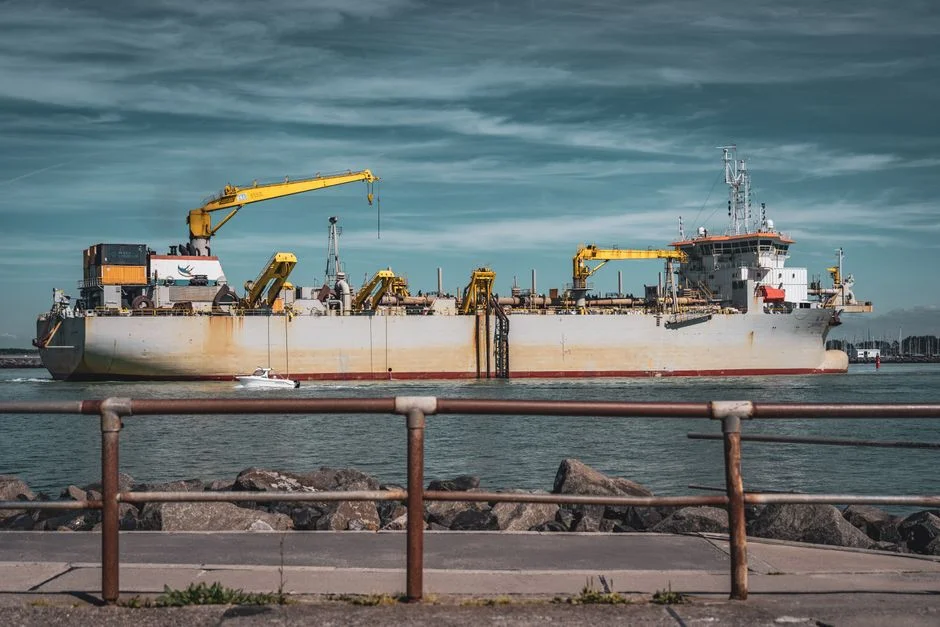
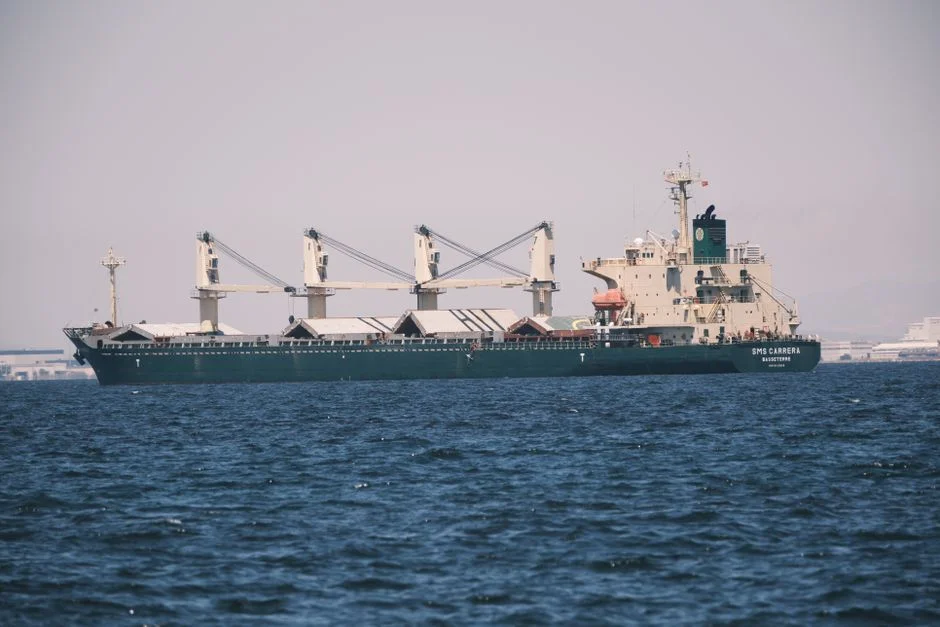
In our 15+ years overseeing projects from Singapore to Santos, we've seen that a port silo is not simply a bigger version of an inland farm silo. It exists in a uniquely demanding ecosystem. The primary drivers are corrosion, throughput, and integration. Salt-laden air accelerates oxidation at a rate 3-5 times faster than inland environments. Simultaneously, the silo must act as a buffer in a high-speed logistical chain, where delays can cost tens of thousands of dollars per hour in demurrage fees for ships. This necessitates a holistic design approach that marries materials science, structural engineering, and process automation from the outset.
Core Structural Design Considerations for Coastal Environments
The skeleton of a port silo is its steel or reinforced concrete shell. For steel silos, material selection is critical. We frequently specify Corten steel (ASTM A588) for its self-healing oxide layer, which reduces maintenance costs by up to 40% over a 25-year lifecycle compared to painted carbon steel. For concrete, high-performance mixes with added silica fume or fly ash achieve impermeability to chloride ingress, adhering to standards like ACI 318.
Structural analysis must account for a complex load matrix:
- Wind Loads: Calculated per ASCE 7-22 or Eurocode 1-1-4. For a 60-meter tall silo in a typhoon zone (e.g., Category 5 wind speed), design pressures can exceed 2.5 kPa, generating overturning moments of tens of thousands of kNm.
- Seismic Loads: In regions like Chile or Japan, silos must be designed for peak ground accelerations of 0.3g-0.5g, often requiring base isolation or shear walls.
- Material Loads: The hydrostatic and frictional pressures of stored grain or cement dictate wall thickness, often resulting in a tapered design (thicker at the base) to optimize material use by 15-20%.
Material Flow Technology: Preventing Blockages and Ensuring Consistency
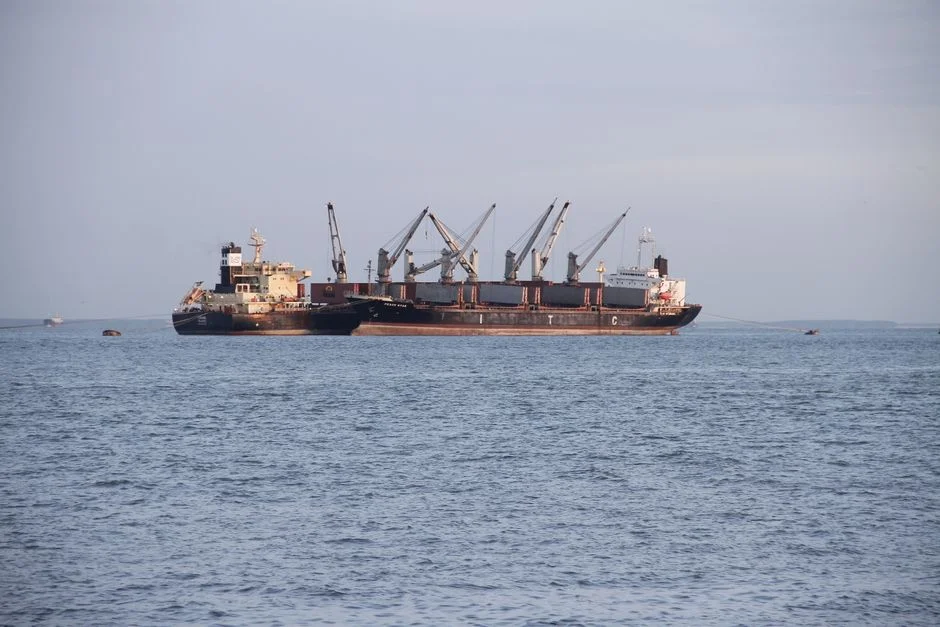
In port logistics, flow consistency is non-negotiable. A bridge or rathole in a silo storing 10,000 tons of coal can halt a loading operation. Our engineering process begins with comprehensive material characterization—testing bulk density, angle of repose, and critical arching dimensions. Using Jenike shear cell testing data, we model hopper angles and outlet sizes. For cement or fine coal, we often recommend mass flow hoppers with 70-75° angles and air cannons for assistive flow. The result is a reliable discharge rate, precisely matched to the capacity of ship loaders, which can exceed 5,000 t/h for large bulk carriers.
High-Throughput Automation and Integration
Modern port silos are nodes in a digital chain. Their design incorporates:
- Inlet/Outlet Design: Dual or multiple inlets allow blending of different material grades. Chute design uses discrete element method (DEM) simulation to minimize degradation and dust at transfer points.
- Sensing and Control: A suite of instruments includes 3D level radar, pressure cells for mass flow verification, and temperature monitoring for fire prevention. This data feeds into a SCADA system that automates filling from conveyors and discharging to trucks or ships.
- Dust Suppression: Enclosed conveyor galleries, fabric filter dust collectors (achieving 99.5%+ efficiency), and foam or water spray systems at transfer points are integral to meet environmental regulations and ensure worker safety.
Commissioning, Maintenance, and Lifecycle Management
Commissioning a port silo goes beyond structural completion. It involves a rigorous Hot Commissioning phase where the system is tested with actual material at full throughput. We calibrate flow rates, verify automation logic, and train operations staff. For maintenance, a predictive model is superior to a reactive one. We design with inspection hatches, external platforms, and structural health monitoring sensors (for strain and vibration) to enable condition-based maintenance. This approach can extend the safe operational life of a silo complex from 25 to 35 years.
Frequently Asked Questions
How much does a large-scale port silo system cost per ton of storage capacity?
The capital cost for a bulk storage silo in a port environment typically ranges from $50 to $150 per ton of capacity. This wide range depends on the material (steel vs. concrete), the level of automation, corrosion protection specifications, and local construction costs. A 20,000-ton-capacity steel silo complex with moderate automation in Southeast Asia might cost around $1.2 million, while a highly automated, concrete system in a seismic zone in South America could exceed $3 million.
What is the typical construction timeline for a multi-silo port terminal project?
A complete project, from detailed engineering design to full operational commissioning, for a medium-sized terminal with 4-6 silos (total capacity 50,000 tons) typically takes 10-14 months. Foundation work may take 3-4 months, structural erection 4-6 months, and mechanical/electrical integration and commissioning another 3-4 months. This timeline is highly dependent on weather conditions, supply chain logistics for steel or cement, and local labor availability.
What is the most critical difference between an inland grain silo and a port terminal silo?
The most critical difference is the environmental load and the throughput rate. Port silos are engineered primarily for severe corrosion resistance and vastly higher material flow rates. An inland silo might handle 50-100 tons/hour, whereas a port silo is designed for 200-500+ tons/hour, requiring more robust structural and flow components. Furthermore, the entire port silo system is designed as a buffer within a complex logistics chain, demanding higher reliability and automation than typical on-farm storage.
How do you prevent saltwater corrosion on silo structures?
We employ a multi-layer strategy. First, material selection is paramount, often using weathering steel (Corten) or specifying high-performance, marine-grade epoxy coating systems (e.g., 3-coat system with 350+ micron DFT). Second, design details matter—avoiding water traps, using stainless steel fasteners (316 grade), and ensuring proper cathodic protection for submerged foundations. Regular inspection and touch-up protocols are also part of the lifecycle plan.
What international standards govern the design of port silos?
Key standards include: API 650 and API 620 for welded steel tanks, often used as a reference for silo design. For concrete, ACI 318 and EN 1992-3 (Eurocode 2). Structural loads are defined by ASCE 7 (USA) or EN 1991-4 (Europe). Environmental corrosion protection is guided by NACE and SSPC standards. We also incorporate relevant industry guidelines from organizations like the PTB (German Federal Institute for Materials Research) for flow calculation.
Can existing port silos be retrofit with automation or new flow aids?
Yes, retrofitting is a common and cost-effective practice. We have successfully added automated valve controls, new instrumentation (level, temperature), air cannon systems for flow promotion, and upgraded dust collection systems to older silos. A feasibility study involving structural assessment, material flow analysis, and electrical capacity check is the first step. Retrofitting can improve throughput by 15-30% and significantly reduce manual intervention and safety risks.