
Key Takeaways
- Cement silos must be designed for a minimum bulk density of 1,500 kg/m³ to handle the material's weight without structural compromise.
- Implementing a proper aeration and fluidization system can reduce material discharge time by up to 30% and prevent "ratholing" or bridging.
- Galvanized steel or epoxy-coated concrete silos can extend the structure's lifespan by 10-15 years compared to unprotected mild steel in high-humidity environments.
- Internal cone angles of 60-70 degrees are often necessary for mass flow of cement to ensure first-in, first-out (FIFO) discharge.
- Project costs for a mid-sized, 500-ton cement silo system (including foundations, instrumentation, and aeration) typically range from $80,000 to $150,000.
- Modern dust collection systems integrated into silo vents must achieve 99.5%+ efficiency to meet stringent global emission standards like EPA 40 CFR Part 60.
- Annual maintenance, including valve calibration and filter inspection, is recommended to maintain operational integrity and prevent costly downtime.
Why Silo Design for Cement and Concrete is a Unique Engineering Challenge
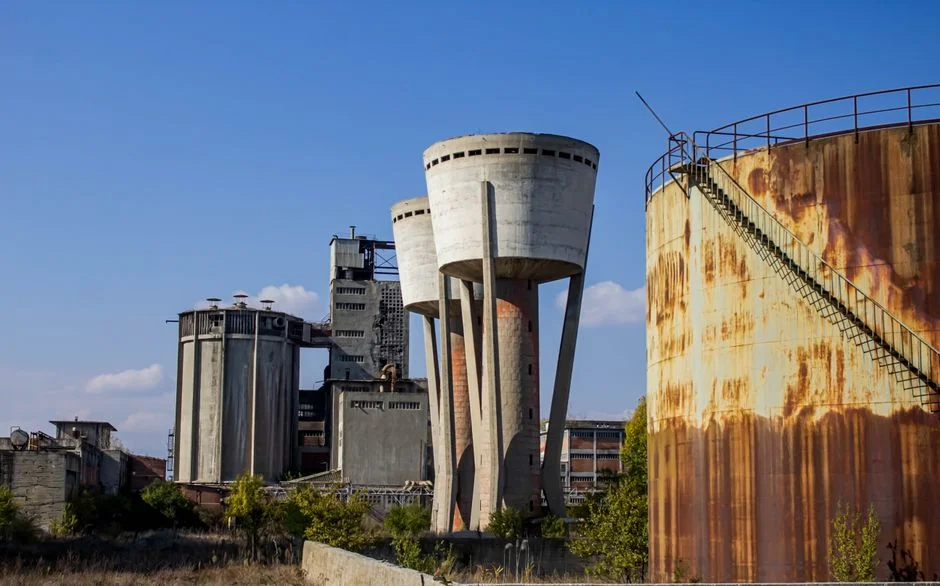
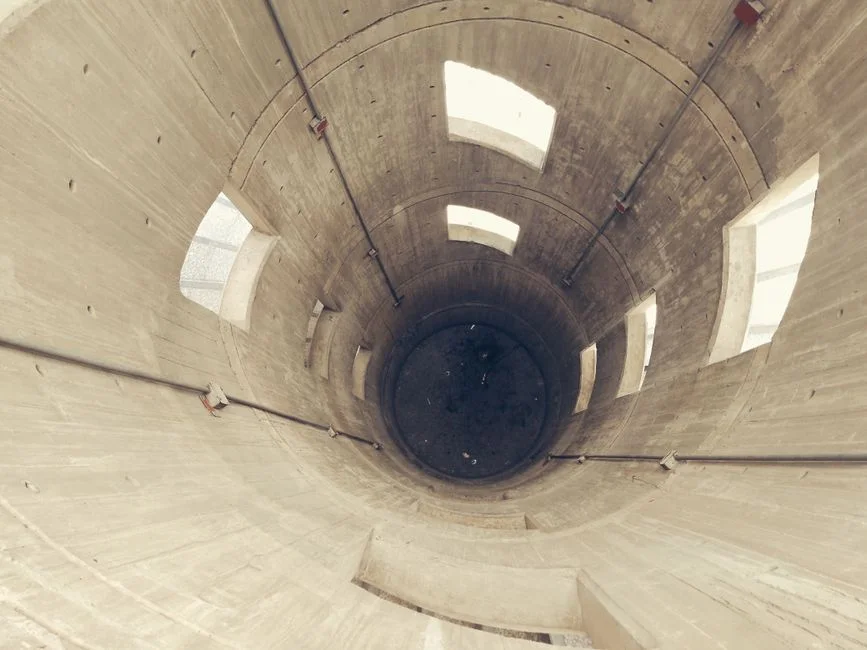
Storing cementitious materials like Portland cement, fly ash, and ground granulated blast-furnace slag (GGBS) presents a distinct set of problems not encountered with grains or aggregates. These powders are hygroscopic, prone to compaction under pressure, and can undergo initial set if moisture infiltrates. Over my 15 years supervising silo installations, I've seen how a poorly designed system can lead to disastrous caking, structural fatigue from eccentric loads, and significant material waste. The core challenge is managing the material's flow properties while protecting it from the environment and ensuring the structure can handle dynamic loads from filling, discharging, and external forces like wind.
Key Design Standards and Material Selection for Longevity
The design of cement silos is governed by rigorous standards. In North America, the primary reference is ACI 313 (Code for Design and Construction of Concrete Silos and Stacking Tubes for Storing Granular Materials) for concrete structures, and ASME BPVC Section VIII or AISC 360 for steel components. Internationally, ISO 22965 provides comprehensive guidance.
From a material standpoint, the choice is critical. I typically advise clients based on climate and usage:
- Carbon Steel with Internal Lining: Common for standard applications. Lining options include epoxy phenolic for moderate protection or polyurethane for superior abrasion resistance.
- Galvanized Steel: Ideal for coastal or high-humidity regions. Hot-dip galvanizing provides a sacrificial zinc layer that can extend silo life by 10-15 years.
- Reinforced Concrete: Preferred for very large capacity silos (10,000+ tons) and where fire resistance or thermal mass is required. It offers high compressive strength but requires careful attention to waterproofing and joint design.
Definition: Mass Flow
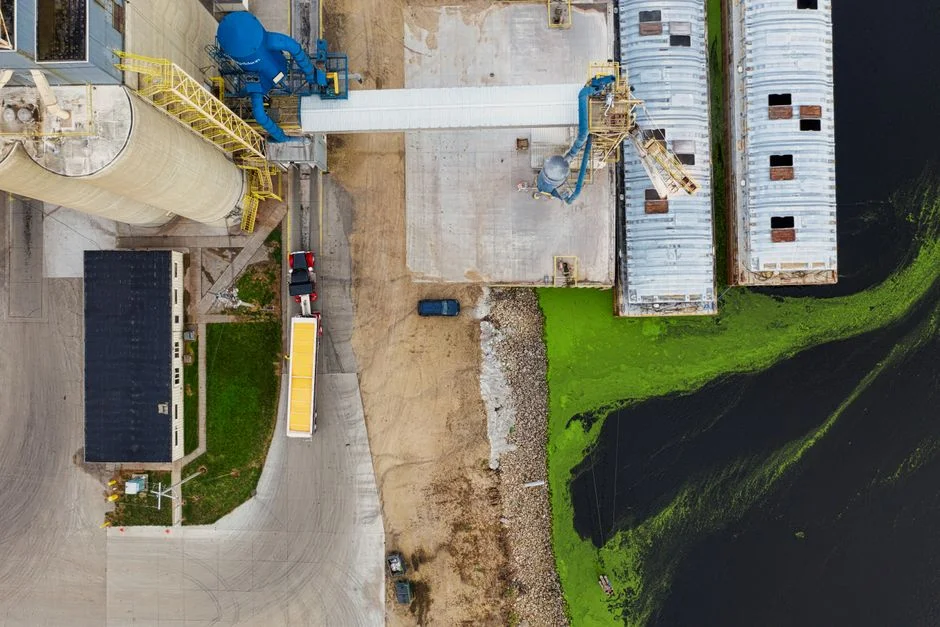
A flow pattern where all the material in a silo is in motion during discharge, with material moving along the walls as well as down the center. It is characterized by first-in, first-out (FIFO) discharge and a live bottom, which is essential for cement to prevent stagnation and caking.
Critical Design Considerations for Cement-Specific Flow
Cement's high angle of repose (30-40°) and cohesive nature demand specific hopper and outlet designs to achieve reliable flow. My team uses shear cell testing on actual project samples to define the material's flow function. Key parameters include:
- Hopper Angle: For mass flow of cement, conical hopper half-angles often need to be 60-70° from the horizontal. A steeper angle ensures material slides along the wall rather than forming a stationary "rathole."
- Outlet Size: Must be sufficiently large to prevent arching. For fine cement, minimum outlet diameters often start at 600mm (24 inches), increasing with silo diameter.
- Aeration & Fluidization: Injecting low-pressure, dry air (0.5-1.0 bar) through porous pads at the hopper cone reduces friction and compaction, promoting mass flow. In a recent project in Southeast Asia, adding aeration reduced discharge time from 4 hours to under 2.5 hours for a 300-ton silo.
Integrating Technology: Instrumentation and Dust Control
Modern silos are not just static containers. Key integrations include:
- Level Monitoring: Ultrasonic or radar sensors provide continuous inventory data, critical for production planning and preventing overfilling (a common cause of structural failure).
- Pressure Relief Systems: During rapid filling, displaced air must vent safely. Filter vent assemblies with 99.5% filtration efficiency are mandatory to capture cement dust, which is a serious respiratory hazard.
- Temperature Monitoring: In silos storing large volumes, exothermic reactions can occur. Probes can alert operators to dangerous internal temperature rises (>120°C can indicate early set or spontaneous combustion of additives).
Implementation Best Practices from the Field
Correct installation is as vital as design. From hundreds of projects, these practices are non-negotiable:
- Foundation Design: A silo filled with cement imposes a massive dead load. A 500-ton silo weighs over 5,000 kN. Foundations must be engineered for uniform bearing pressure to prevent differential settlement, which can distort the silo shell and cause flow issues.
- Weatherproofing: All penetrations—fill pipes, vents, instrument conduits—must be sealed. Water ingress is the enemy of cement storage. I always specify double-seal closures on access hatches.
- Sequenced Commissioning: We start with a low-level test fill (20% capacity) to check for leaks, vibration, and flow performance. Only after successful low-level tests do we proceed to full capacity.
Long-Term Maintenance: Protecting Your Investment
A silo system is a capital asset that requires routine care. Recommended maintenance cycles include:
- Quarterly: Visual inspection of external coatings for corrosion, check all seals and gaskets on access ports.
- Annually: Full internal inspection (when empty and safe), calibration of level sensors and pressure relief valves, inspection of aeration pads for clogging.
- Every 5 Years: Structural integrity audit, including thickness testing of steel shells or concrete carbonation depth testing.
Proactive maintenance can prevent 80% of common failures, such as jammed discharge valves or plugged filter media, which are the leading causes of unscheduled downtime.
Frequently Asked Questions
Q: How much does a complete cement silo system typically cost?
A: Costs vary widely based on capacity, material, and level of technology. A 200-ton galvanized steel silo with basic instrumentation and aeration may start around $40,000. A 1,000-ton concrete silo with full process control, dust collection, and heating can exceed $350,000. The silo itself is often only 60% of the total project cost; foundations, conveying, and commissioning make up the remainder.
Q: What is the difference between a cement silo and a regular grain silo?
A: Cement silos are engineered for much higher bulk densities (1,500 kg/m³ vs. 750 kg/m³ for grain), requiring stronger structural members. They almost always incorporate internal aeration systems to aid flow and are designed with steeper hopper angles. Ventilation is critical for grain to prevent spoilage, while for cement, the focus is on moisture exclusion and pressure relief during air-entrained conveying.
Q: How long should a properly designed cement silo last?
A: With regular maintenance, a well-designed and properly coated steel silo can last 20-30 years. Concrete silos, if kept free of water infiltration that causes rebar corrosion, can have a service life exceeding 40 years. The primary factor in longevity is the protection of the structural material from the corrosive and abrasive nature of the stored cement and the external environment.
Q: How often should the silo be cleaned internally?
A: A complete internal wash-down is not typically required annually. The schedule depends on usage. For high-turnover silos, a full inspection and clean every 3-5 years is common. However, the aeration system and discharge mechanisms should be checked annually. Signs that cleaning is overdue include a significant drop in live capacity or difficulty in achieving clean discharge.
Q: Can I store different types of cement in the same silo?
A: It is strongly discouraged. Different cement types (e.g., Type I vs. Type III) have varying fineness and chemical compositions. Mixing them can alter the performance characteristics of the concrete you produce. Cross-contamination is a serious quality risk. Dedicated silos for each material grade are a fundamental best practice in the ready-mix and precast concrete industry.
Q: What is the most common cause of silo failure?
A: The most frequent issues are not catastrophic collapse, but operational failures. The top three are: 1) Material flow blockages (ratholing, bridging) due to poor hopper design, 2) Structural corrosion from compromised protective coatings and water ingress, and 3) Equipment failure, such as seized butterfly valves or plugged aeration pads, which stem from inadequate maintenance schedules.