
Key Takeaways
- Materials like iron ore fines and crushed granite with Mohs hardness of 6-7 require silo liners with wear resistance exceeding 500 Brinell Hardness Number (BHN).
- The live load from a 5,000-ton ore silo can exert pressures exceeding 250 kPa on the foundation, requiring geotechnical surveys before design.
- Hopper cone angles for cohesive mining concentrates often need to be 55-70 degrees from horizontal to ensure reliable mass flow.
- Implementing a vibrating bin activator at the silo discharge can increase material flow rates by 25-40% compared to standard cone outlets.
- Annual inspections for wear and corrosion on internal surfaces are mandatory, with critical thickness monitoring at hopper transitions using ultrasonic testing.
- Welded carbon steel silos are standard for many applications, but stainless steel (304/316L) or aluminum are necessary for storing corrosive materials like sulfur concentrates.
- Typical project timelines for a medium-scale (2,000-5,000 ton) mining silo, from design to commissioning, range from 6 to 9 months.
The mining and quarrying industries operate under relentless pressure to maximize throughput and minimize cost per ton. Central to achieving this is the efficient handling and storage of bulk materials—from primary crushed ore to refined concentrates and fine tailings. A poorly designed storage silo becomes a critical bottleneck, leading to production stoppages, material degradation, safety hazards, and excessive maintenance costs. With over 15 years and hundreds of projects worldwide, from copper mines in Chile to aggregates quarries in Germany, the principles of robust silo design remain consistent: understand your material, respect the physics of flow, and build for extreme conditions.
Why Mining & Quarrying Materials Demand Specialized Silo Design
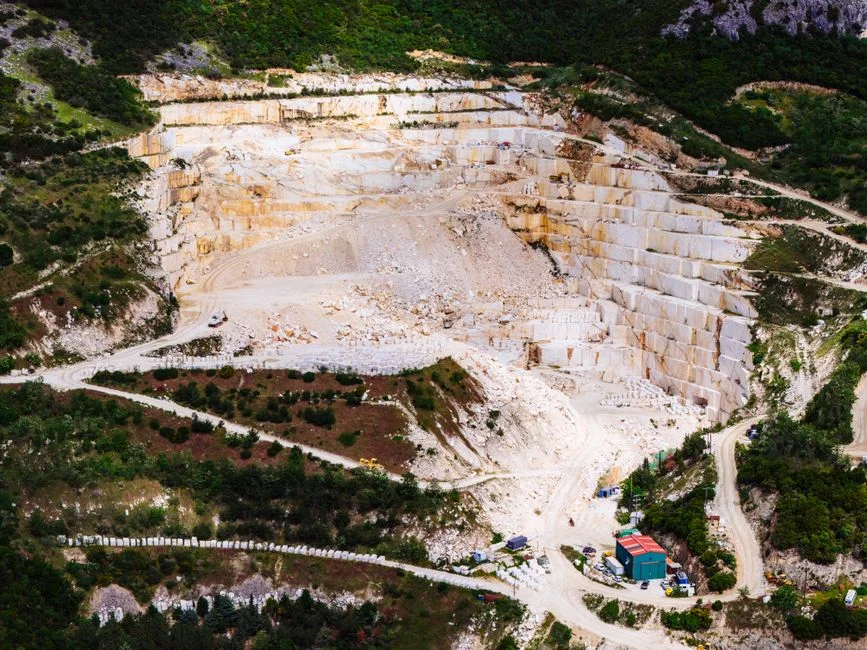
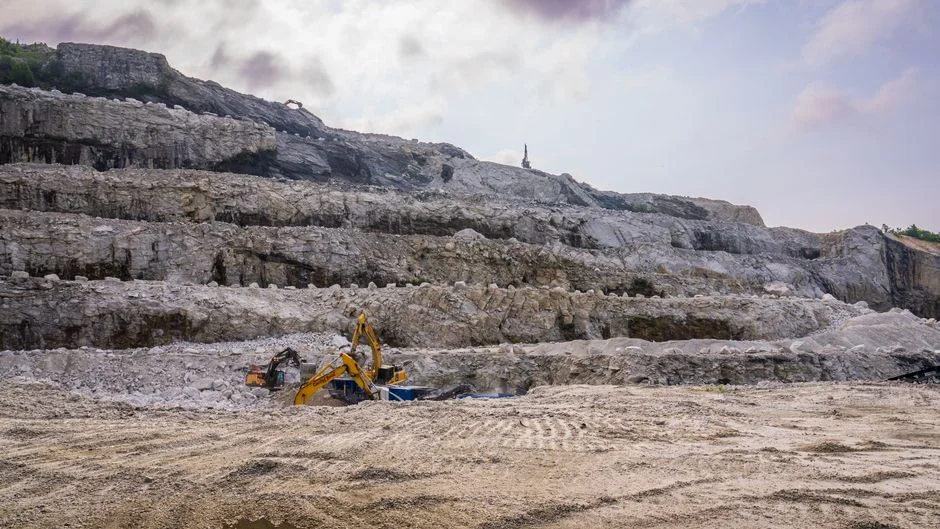
Unlike agricultural materials, mining products present a unique combination of challenges. They are often abrasive, dense, corrosive, and possess variable moisture content and cohesive properties. A generic silo design will fail. The key considerations are:
- Abrasive Wear: Materials like quartz sand (Mohs 7) or taconite ore can erode steel surfaces rapidly. In our field experience, an unprotected mild steel hopper handling iron ore fines can lose 5-10mm of thickness in under 12 months at high-flow points.
- High Bulk Density: Ore and aggregates often have a bulk density ranging from 1.6 to 3.2 t/m³, significantly higher than grains. This increases structural loads on silo walls and foundations.
- Material Cohesion & Moisture: Variations in moisture can cause materials like clay-bound ores to stick, form stable arches (bridging), or rathole (forming a stable funnel above the outlet), halting flow.
- Corrosion: Sulfide ores or concentrates can generate acidic conditions, requiring specialized material selection or protective coatings.
In silo engineering, the Dead Load is the weight of the silo structure itself (steel, concrete). The Live Load is the pressure exerted by the stored material, which is not a simple hydrostatic pressure. It is calculated using theories like Janssen's or Reimbert's formula, as material friction against walls supports much of the weight.
Structural Integrity: Materials and Liner Selection for Extreme Wear
The first line of defense is choosing the correct base material and internal liner. The decision is driven by material abrasiveness, chemical compatibility, and project budget.
| Material Type | Best Liner Choice | Typical Thickness | Cost Index (vs. Plain Steel) |
|---|---|---|---|
| Mild Ore, Low Abrasion | Mild Steel (A36/S275) | 8-12 mm | 1.0x (Baseline) |
| Iron Ore, Crushed Granite | Wear-resistant Steel (AR400/500) | 6-10 mm | 2.5-3.0x |
| Abrasite, Quartz Sand | Ceramic Tile or Bisalloy Liner | 12-25 mm (composite) | 4.0-6.0x |
| Corrosive Concentrates | Stainless Steel 316L or HDPE Lined | 6-8 mm | 3.5-5.0x |
Cost Index is for liner material only, excluding installation. Values are typical from recent projects in Southeast Asia and South America.
Engineering for Flow: Preventing Blockages in Hopper Design
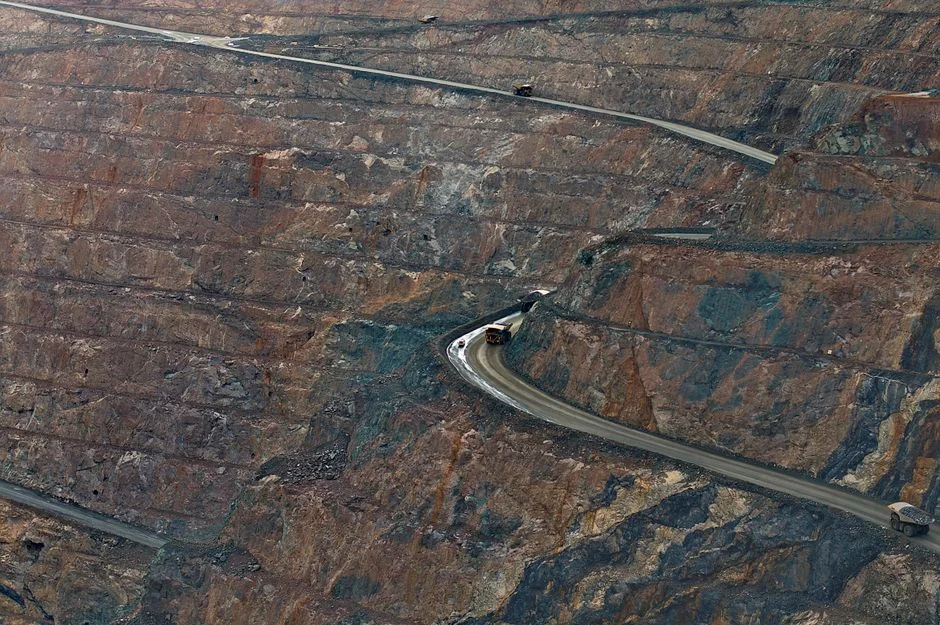
The hopper is the most critical and failure-prone component. The design must achieve mass flow, where all material in the silo is in motion during discharge, rather than funnel flow, where stagnant zones form.
For mining materials, the two key parameters are:
- Hopper Angle (from vertical): Must be steeper than the material's effective angle of repose. For cohesive iron ore fines, this can mean a 15° to 25° hopper angle (65° to 75° from horizontal).
- Outlet Size: Must be large enough to prevent arching. A rule of thumb is that the minimum outlet diameter (D) should be at least 6 times the largest particle size, but for cohesive materials, it must be calculated using the material's cohesive strength.
In a recent project in Indonesia, a silo storing nickel laterite ore was experiencing repeated arching. By changing the hopper from a 45° cone to a 60° cone and installing a 1.5m diameter vibratory bin activator, we increased the discharge rate from 150 tph to over 300 tph and eliminated blockages.
Foundation and Structural Support Systems
A silo's foundation must support the immense live load without excessive settlement. For a 10-meter diameter silo storing material at 2.5 t/m³, the foundation load can exceed 15,000 kN. Options include:
- Raft Foundation: A large, reinforced concrete slab spreading the load over a wide area. Suitable for competent soils.
- Pile Foundation: Necessary for soft or variable ground conditions. Steel or concrete piles transfer the load to deeper, stable strata.
- Elevated Support: Silos often sit on a steel or concrete support structure with a hopper underneath. The design must account for both vertical loads and potential seismic or wind-induced moments.
Operational Best Practices for Longevity
A well-designed silo can last 25-30 years, but only with diligent maintenance. Implement these practices:
- Level Monitoring: Use radar or laser level sensors to prevent overfilling, which can cause structural overload and damage to roof components.
- Wear Monitoring: Establish a schedule for ultrasonic thickness testing on hopper surfaces and walls, especially in the lower 2 meters where flow velocity is highest.
- Structural Inspection: Annually inspect external welds, support columns, and access platforms for signs of fatigue, corrosion, or bolt loosening.
- Flow Maintenance: Regularly operate the silo even at low levels to prevent material consolidation. Never allow a silo to be filled and emptied in the same spot repeatedly without full cycling.
Frequently Asked Questions
Q: What is the typical cost range for a mining silo per ton of stored capacity?
A: The installed cost of a bulk storage silo for mining applications typically ranges from $40 to $120 per ton of live storage capacity. Factors influencing cost include the diameter and height, material of construction (carbon steel vs. stainless), the complexity of the hopper and discharge system, liner requirements, and foundation type. A simple 500-ton mild steel silo for aggregates may be on the lower end, while a 10,000-ton silo with wear-resistant liners and a structural support frame for ore will be significantly higher.
Q: What is the difference between a silo for cement and one for iron ore?
A: The primary differences are in hopper design and wear protection. Cement is a fine, cohesive powder requiring a steep hopper angle (60°+) and often a fluidization or aeration system to ensure flow. Iron ore is coarse, abrasive, and heavy, requiring a robust structure, a wear-resistant liner (e.g., AR400 steel), and a hopper designed based on its granular flow properties rather than cohesion. The structural loads from iron ore are also substantially higher due to its greater bulk density.
Q: How long does it take to design and install a mid-sized mining silo?
A: For a silo with a capacity between 2,000 and 5,000 tons, the typical timeline from detailed engineering design to commissioning is 6 to 9 months. This includes 1-2 months for detailed engineering and procurement, 2-3 months for fabrication, and 1-3 months for site work (foundation and erection). Timelines can be affected by site accessibility, weather, and supply chain delays for specialized components like liners or vibratory feeders.
Q: Can I use the same silo for different types of ore or aggregates?
A: Generally, yes, but with significant caution. You must ensure that storing a different material does not create a severe flow problem (e.g., a sticky material after a dry, free-flowing one) or a contamination issue. The silo's hopper geometry is designed for a specific range of material properties. Switching to a material with very different moisture content, particle size distribution, or cohesiveness can lead to ratholing, arching, or hang-ups. It's best to consult the silo designer or perform a material flow analysis before such changes.
Q: How often should the internal wear liners be inspected and replaced?
A: A formal inspection schedule should be established based on the abrasiveness of the material and operational hours. For highly abrasive materials like quartz, initial inspections might be recommended after 6-12 months of operation. Subsequently, a 12-24 month cycle is common. Replacement is dictated by measured wear. A common industry guideline is to replace a liner when it has worn to 50% of its original thickness. Critical areas like the hopper throat may require more frequent attention or replacement every 2-5 years under continuous heavy use.
Q: What safety features are mandatory on a mining silo?
A: Essential safety features include: a pressure/vacuum relief system on the roof to prevent implosion/explosion from dust or temperature changes; safe access platforms and ladders with fall protection; lockout-tagout points on all mechanical equipment (feeders, vibrators); internal/external level indicators with alarms for high and low levels; and a properly designed manway with internal locking provisions for confined space entry. All designs must comply with local regulations and standards like AS 3774 (Australia) or EN 1993-4-1 (Europe).
Q: What is the most common cause of silo failure in mining operations?
A: While catastrophic structural failure is rare due to robust design standards, the most common operational issues are: 1) Flow stoppages due to poor hopper design or material buildup, causing significant production loss. 2) Excessive wear leading to liner failure and abrasion of the structural shell, which can eventually compromise integrity. 3) Overfilling, which can overload the structure, damage the roof, and cause material spills. Proper design, monitoring, and operational discipline are key to mitigating these risks.