
Key Takeaways
- A well-designed silo system can reduce cement waste by up to 20-30% by preventing caking, spillage, and moisture ingress compared to open storage or bags.
- Modern modular steel silos for construction sites can be transported in standard containers and erected in 1-3 days, enabling rapid site mobilization.
- Integrated load cells and automation in silo systems provide real-time inventory data, achieving dosing accuracy within ±0.5% for critical mixtures.
- The structural design of a construction silo must account for dynamic loads from fill/empty cycles and external forces, typically following Eurocode 3 or ASME B30.20 standards.
- Safety systems like pressure relief valves and dust collectors are mandatory; a single dust explosion can cause catastrophic damage and project delays exceeding weeks.
- The total cost of ownership for a silo system often proves 15-25% lower than repeated small bulk deliveries due to reduced transport frequency and labor costs.
Why Silo Systems are Non-Negotiable for Major Construction Projects
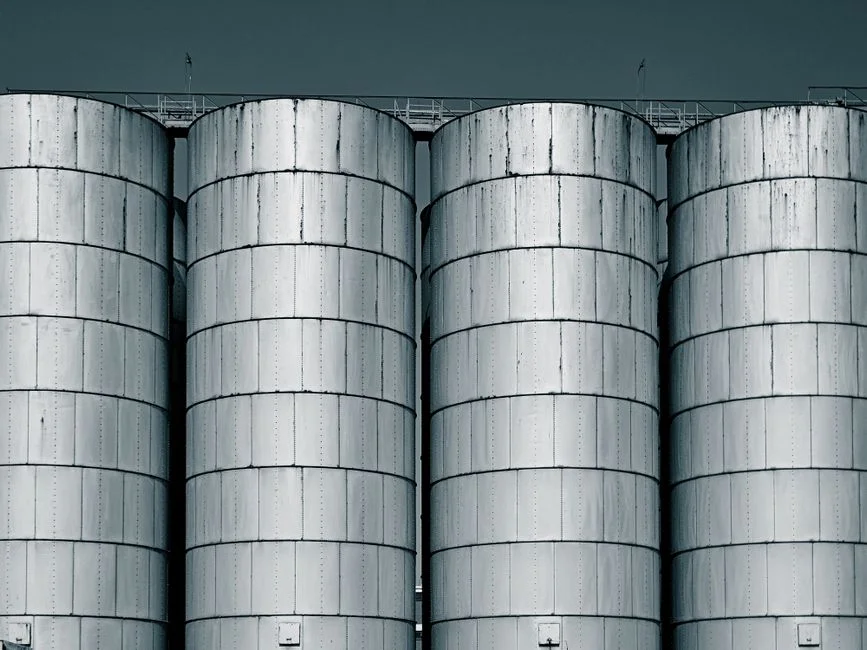
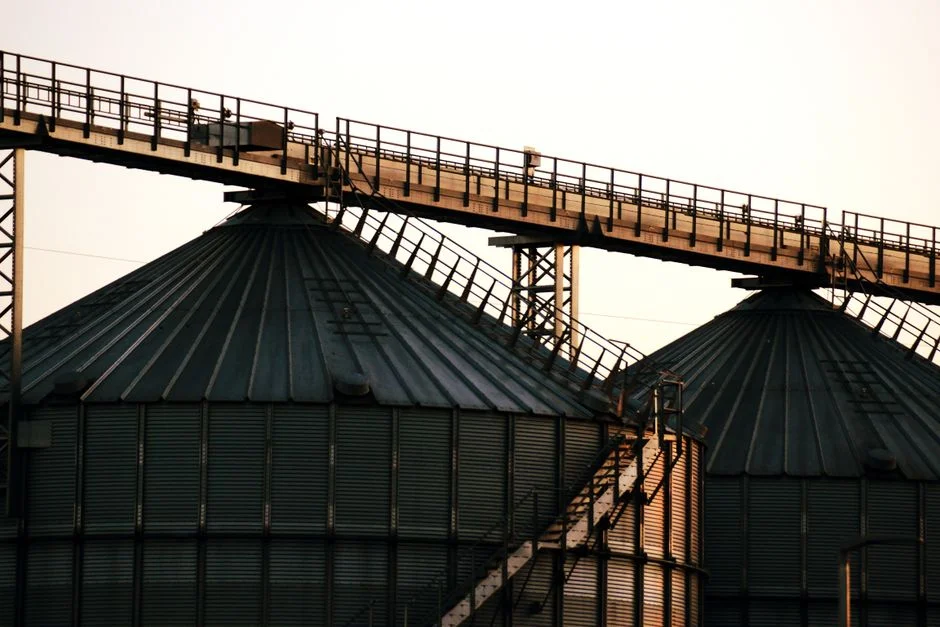
In the context of Singapore's booming construction market—valued at USD 34.28 billion in 2026 with major projects like Changi Terminal 5 and Tuas Port—logistical efficiency is paramount. Relying solely on bagged cement or frequent small-batch deliveries creates bottlenecks, increases labor, and risks material degradation. A silo system provides a centralized, secure buffer, ensuring the continuous flow of primary binders and additives required for large-volume concrete production. From our experience commissioning systems across Asia, a properly sized silo setup can increase concrete batch plant efficiency by 40-60% by eliminating wait times and manual handling.
Core Components and Their Engineering Functions
Understanding the anatomy of a construction silo system is key to its design. The primary components are:
- Silo Vessel: The main storage container, typically conical or flat-bottomed. Material selection is critical: S235 or S355 structural steel (per EN 10025) is common, with internal coatings (epoxy, polyurethane) to prevent corrosion and aid flow.
- Aeration & Fluidization System: A network of pads and blowers at the cone outlet. This is essential for materials like fly ash or powdered limestone, reducing the angle of repose and preventing bridging or "ratholing."
- Filling System: Includes pneumatic conveying lines, filtration, and a pressure relief valve. Design must handle material velocity (typically 15-22 m/s) and pressure (often up to 1.5 bar).
- Discharge & Dosing System: Comprises screw conveyors, airlocks, and rotary valves. The discharge rate must match the batch plant's consumption, often ranging from 50 to 300 tons per hour.
- Weighing and Control System: Load cells under the silo legs (for modular units) or within the structure provide continuous inventory measurement. A PLC-based control system automates filling sequences and integrates with plant operations.
The steepest angle at which a granular material can be piled without slumping. For cement, it's typically 35-45°, but proper aeration can reduce effective angle of repose to below 20°, ensuring reliable flow.
Critical Design Considerations for Construction Environments
Designing a silo for a temporary construction site differs fundamentally from a permanent industrial facility.
1. Modularity and Portability
Top-performing systems in our portfolio are fully modular. The silo shell is sectioned to fit within standard 20-foot or 40-foot ISO containers for global shipping. Structural supports are bolted, not welded, allowing for disassembly and relocation to the next project. This modularity can reduce on-site installation time from weeks to mere days.
2. Foundation and Load Distribution
A 100-ton capacity silo weighs approximately 12 tons empty and 112 tons full. Foundations must be designed for local ground conditions, often requiring simple pad footings for compact soil or piled foundations for soft clay. Our engineering team always performs a geotechnical assessment; on a recent project in Malaysia, we switched to a raft foundation to manage differential settlement, preventing structural misalignment of the discharge screws.
3. Environmental and Safety Adaptations
Silos must withstand project site conditions: high winds (design wind loads up to 180 km/h in typhoon-prone regions), seismic activity, and intense UV exposure. They are equipped with meteorological sensors and pressure/vacuum relief valves. Dust filtration systems, typically achieving 99.9% efficiency at 1 micron, are essential to protect workers and the environment, aligning with regulations from bodies like Singapore's Ministry of Manpower.
Comparing Steel vs. Concrete Silos for Infrastructure Projects
| Feature | Modular Steel Silo | Precast Concrete Silo |
|---|---|---|
| Best Use Case | Temporary/Intermediate projects (1-5 years) | Long-term, permanent infrastructure hubs |
| Capacity Range | 20 - 300 tons | 500 - 10,000+ tons |
| Installation Time | 1-3 days | 4-12 weeks |
| Cost (Relative) | Lower capital outlay ($25k - $150k) | Higher civil works cost ($500k+) |
| Mobility | Fully relocatable and reusable | Permanent, not relocatable |
| Fire Resistance | Requires added insulation/fireproofing | Inherent fire resistance (Class 4h) |
The Implementation Process: From Concept to Commissioning
Our standard workflow ensures reliability:
- Material & Process Audit: Characterize the stored material (density, moisture, abrasiveness, cohesion) and define fill/empty rates.
- Concept Design & Feasibility: Determine capacity, footprint, and integration points with existing equipment. We use Discrete Element Method (DEM) simulation to predict flow patterns.
- Detailed Engineering & Fabrication: Produce fabrication drawings compliant with applicable codes (e.g., ASME B30.20 for overhead lifting of silo components). All welding follows ASME IX.
- On-Site Installation & Structural Integrity Testing: Erect silo, connect utilities, and perform proof load tests on lifting points and structural members.
- Commissioning & Calibration: Calibrate weighing systems, tune aeration and control logic, and conduct operator training.
A flow problem where material flows only through a narrow central core above the outlet, leaving stagnant material against the walls. This is prevented by proper cone angle design and aeration systems.
Maintenance and Lifespan Considerations
While construction silos see heavy use, a planned maintenance schedule can extend their service life to 20+ years of relocations. Key intervals include:
- Weekly: Visual inspection for structural damage, leaks, and proper function of safety devices.
- Quarterly: Check and clean aeration pads, inspect screw conveyor liners and bearings.
- Annually: Full structural inspection, non-destructive testing (NDT) of critical welds if in severe service, and load cell re-calibration.
In our experience, the leading cause of premature failure is neglecting to protect the interior coating during disassembly/relocation. Adhering to a strict maintenance protocol can increase asset lifespan by over 30%.
Frequently Asked Questions
Q: How much does a standard 50-ton construction silo system cost?
A: The cost for a complete, ready-to-use 50-ton modular cement silo system typically ranges from $35,000 to $75,000 USD. This price includes the silo body, aeration system, screw conveyor, control panel, and load cells. Variables like destination port, material of construction (carbon steel vs. higher-grade alloy), and level of automation (manual vs. full integration) will affect the final price. Freight and on-site civil foundation works are additional.
Q: What is the main difference between a storage silo and a batching plant hopper?
A: A storage silo is designed for bulk, long-term material holding (hours to days) at a project site, focusing on preserving material integrity. A batching plant hopper is a smaller, day-hopper or surge hopper located directly at the concrete mixer, designed for immediate, short-term dispensing. The silo supplies the hopper, ensuring a continuous feed to the plant without interruption.
Q: How do you prevent moisture from damaging cement in a silo?
A: Prevention involves multiple layers: 1) High-quality, weather-tight seals on all manholes and flanges. 2) A properly designed pressure/vacuum relief valve to prevent condensation during temperature swings. 3) Using desiccant breathers if humidity is extreme. 4) Ensuring the silo is not filled in heavy rain. Internal epoxy coatings also provide a barrier against moisture migration through the steel shell.
Q: How long does it take to install a silo on a construction site?
A: For a standard modular steel silo of up to 100-ton capacity, on-site installation time is typically 1 to 3 days, provided the foundation is prepared. This includes lifting sections into place, bolting connections, installing ancillary equipment (screws, filters), and connecting electrical power. This rapid installation is a key advantage of modular systems for the construction industry's fast-paced timelines.
Q: Are there specific safety standards for construction silos?
Q: What is the typical return on investment (ROI) for using a silo system versus bagged cement?
A: The ROI is realized through three main areas: 1) Material Savings (eliminating 2-3% wastage from bag tearing/spillage), 2) Labor Savings (reducing manual handling by 80-90%), and 3) Time Savings (increased batching plant uptime). For a large project consuming 5,000 tons of cement, the total cost of ownership of a silo system is often 15-25% lower than equivalent bagged cement procurement, with a payback period commonly under 12 months.
Q: Can silos be used for materials other than cement?
A: Absolutely. Construction silos are commonly designed for fly ash, ground granulated blast-furnace slag (GGBS), silica fume, and even aggregates like sand. Each material has different characteristics (e.g., abrasiveness, density, flowability) that dictate specific design features, such as harder wearing liners for aggregates or specialized aeration systems for cohesive powders like fly ash.