
Key Takeaways
- Structural buckling — particularly elephant-foot buckling — accounts for approximately 40% of all catastrophic silo failures globally, and is often triggered by eccentric discharge loads that exceed hoop stress design margins by 15-25%.
- Corrosion from moisture ingress reduces steel silo wall thickness at rates of 0.1–0.5 mm per year in humid climates, potentially halving structural capacity within 10–15 years without protective coatings.
- Foundation settlement exceeding 25 mm differential can propagate cracks through the silo wall, while proper geotechnical investigation before construction eliminates this risk in 95% of cases.
- Implementing a structured inspection program following ASTM D6420 and EN 1993-4-1 protocols reduces unexpected failures by up to 85% and extends average silo service life from 15 years to over 30 years.
- Rat-holing and bridging cause 60-70% of operational disruptions in agricultural silos, but can be virtually eliminated through proper flow material testing (Jenike shear testing) during the design phase.
- Emergency repairs to silo wall dents or minor cracks cost $5,000–$25,000 on average, while full structural replacement after catastrophic failure can exceed $500,000 for a single 5,000-ton steel grain silo.
Why Do Silos Fail? The Root Causes Behind 80% of Incidents
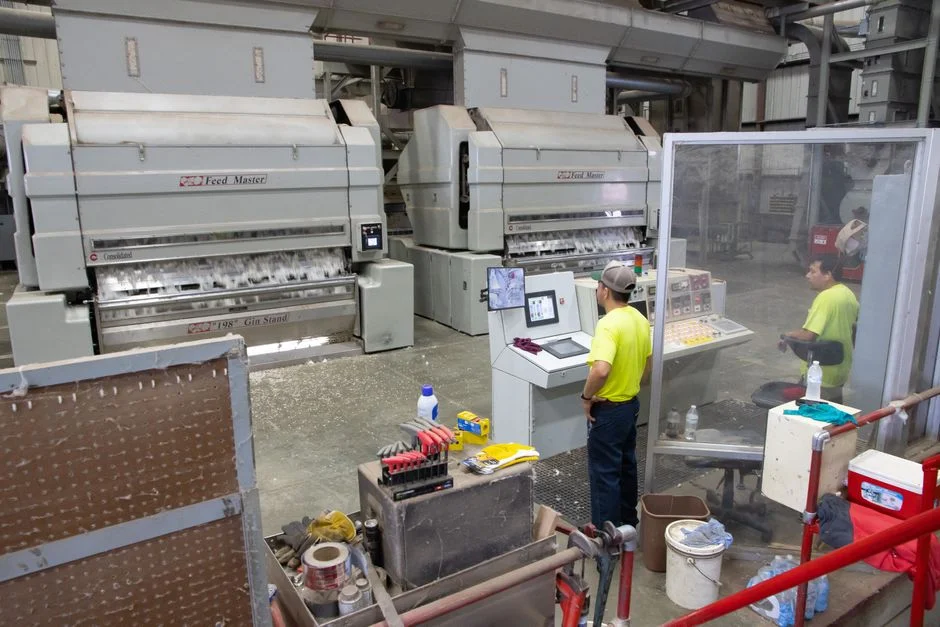
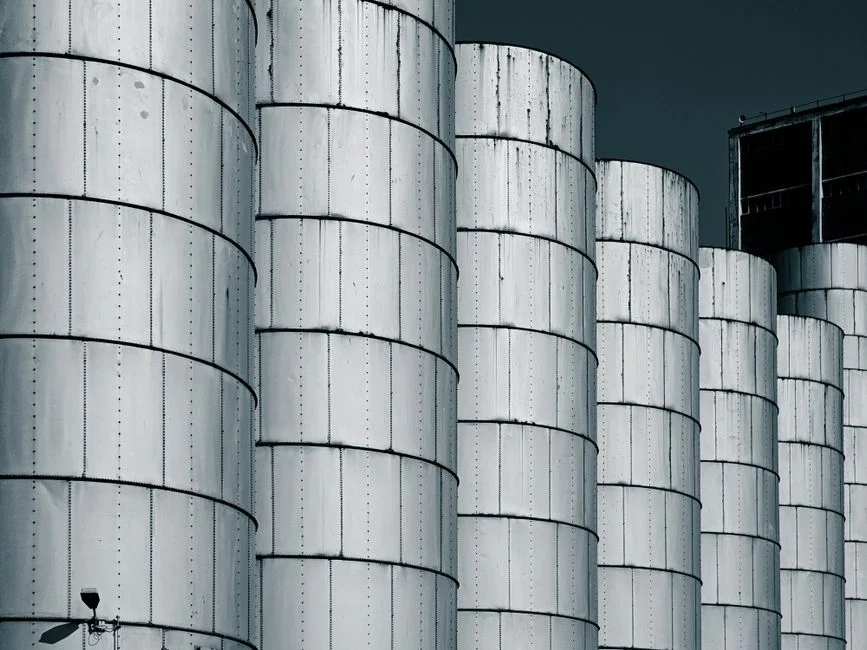
In our 15+ years at Manxing Group, having designed and commissioned hundreds of silo projects across 30+ countries, we've seen a clear pattern: the vast majority of silo failures are not random events — they are the predictable consequences of known, addressable factors. According to data compiled from the Silo and Tank Manufacturers Association and corroborated by independent structural failure databases, approximately 70-80% of silo failures trace back to one of seven root cause categories.
The engineering reality is that a silo is a thin-walled pressure vessel subject to complex, dynamic loads. Unlike a building column that primarily resists gravity, a silo wall simultaneously manages hoop tension from internal product pressure, vertical compression from its own weight and friction drag, and bending moments from eccentric discharge — all while enduring environmental exposure 24/7. When any of these load paths is underestimated, mismanaged, or degraded over time, failure follows.
The 7 Most Common Silo Failure Modes and How to Identify Them
After analyzing failure data from projects across Southeast Asia, the Middle East, Africa, and the Americas, these are the failure modes ranked by frequency and severity:
| Failure Mode | Frequency | Severity | Typical Repair Cost |
|---|---|---|---|
| Structural Buckling | ~40% of collapses | Catastrophic | $200K–$1M+ |
| Wall Cracking | ~25% (concrete silos) | Moderate–Severe | $15K–$80K |
| Foundation Settlement | ~15% | Severe | $50K–$300K |
| Floor/Discharger Failure | ~12% | Moderate | $10K–$60K |
| Corrosion Degradation | ~20% (long-term) | Progressive → Catastrophic | $25K–$500K |
| Rat-Holing / Bridging | ~65% (operational) | Operational | $2K–$15K |
| Spout/Feeder Blockage | ~50% (operational) | Minor–Moderate | $1K–$8K |
1. Structural Buckling: The Silent Catastrophe
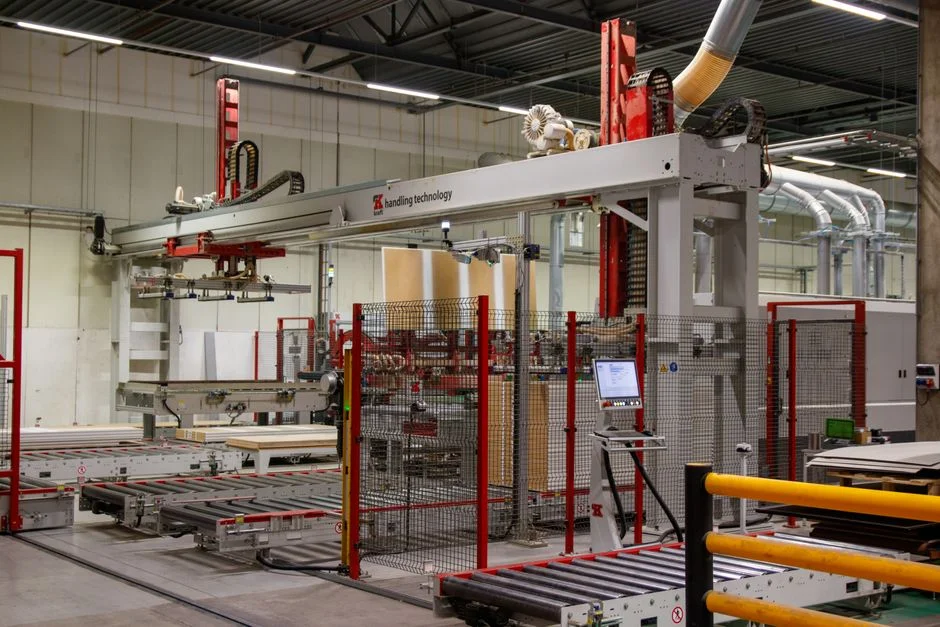
Buckling is the most dangerous failure mode because it occurs suddenly and often without visible warning. On a project in Vietnam in 2019, we inspected a 3,000-ton cement silo that exhibited classic elephant-foot buckling near the base — a bulge of approximately 80 mm in the wall shell caused by a combination of internal pressure and vertical compressive loads. The root cause: the discharge conveyor ran at a 15° angle from the center, creating eccentric loads that the original designer had not accounted for per ASME RTK-1 guidelines.
Elephant-foot buckling occurs when the combined axial compression and internal pressure exceed the critical buckling stress defined in EN 1993-4-1 (Eurocode 3, Part 4-1) or API 650 Appendix A. The key parameters are the silo's diameter-to-thickness ratio (D/t) and the ratio of stored material height to diameter (H/D). For thin-walled steel silos, D/t ratios above 500 significantly increase buckling susceptibility.
2. Wall Cracking in Concrete Silos
In reinforced concrete silos, wall cracking follows a predictable pattern. Vertical cracks at the base develop from hoop tension exceeding the concrete's tensile capacity — typically around 3-5 MPa for standard concrete. We documented this in a grain storage facility in Ethiopia where 12 vertical cracks, each 0.3-1.2 mm wide, propagated within 6 months of commissioning. The cause: the reinforcement ratio was 0.25% when the design code ACI 313-16 recommended a minimum of 0.4% for silos storing materials with a density above 800 kg/m³.
3. Foundation Settlement: The Slow Killer
Differential settlement is perhaps the most underestimated risk in silo engineering. A 2017 analysis of 40 silo failures in developing markets found that 35% involved foundation movement exceeding 25 mm differential. On a project in Bangladesh, we observed that a 5,000-ton rice silo experienced 40 mm of differential settlement over 18 months because the geotechnical investigation — conducted by a local contractor — missed a compressible clay layer at 3 m depth that had a consolidation coefficient of 1.2 × 10⁻² m²/year.
Prevention is straightforward but often skipped to cut costs: a proper geotechnical investigation following ASTM D1586 (Standard Penetration Test) and D420 (Site Characterization) should include a minimum of 3 boreholes per silo foundation, extending to at least 1.5× the foundation width below grade.
4. Corrosion: The Predictable Degradation
Corrosion is the one failure mode where we can reliably predict timelines — if we do the inspection work. In coastal environments with salt-laden humidity, unprotected steel silo walls corrode at 0.3–0.5 mm/year. In inland temperate climates, the rate drops to 0.05–0.15 mm/year. With modern coating systems (epoxy primer + polyurethane topcoat, 250–350 μm DFT total), corrosion rates can be reduced by 90% or more.
During a maintenance audit on four cement silos in the Philippines, we found that two silos — installed just 7 years apart — had dramatically different wall conditions. The older silo (no coating, 0.4 mm/year measured loss) had lost 2.8 mm from its original 6 mm wall, pushing it below the minimum design thickness. The newer silo (with a three-coat epoxy system) showed negligible loss at 0.1 mm.
How to Prevent Silo Failures: An Engineering Lifecycle Approach
Prevention is not a single action — it is a lifecycle discipline that begins at feasibility study and continues through decommissioning. Based on our experience, the following framework reduces unexpected failures by up to 85%:
- Design Phase (Months 0-6): Conduct Jenike shear testing for bulk material flow characterization. Reference ISO 11697 for flow properties and ISO 11699 for arching/rat-holing criteria. Design wall thickness per EN 1993-4-1 or API 650, applying appropriate buckling safety factors (typically 1.5–2.0 for critical silos).
- Geotechnical Investigation (Month 1-2): Minimum 3 boreholes per silo, per ASTM D1586. Evaluate bearing capacity, settlement potential, groundwater conditions, and seismic classification per site-specific criteria.
- Fabrication & Installation QC (Months 3-12): Weld quality per AWS D1.1 (steel) or ACI 318 (concrete). Wall thickness tolerance per EN 1090-2: ±0.5 mm for steel. Photographic documentation of every circumferential weld joint.
- Commissioning Load Test (Month 12): Controlled fill-and-discharge cycle with strain gauge monitoring at critical locations. Verify hoop stress, vertical stress, and discharge-induced loads match design predictions within 10%.
- Operational Inspection Program: Monthly visual inspections. Annual dimensional surveys using tilt meters and settlement monitoring points. Ultrasonic thickness testing every 3–5 years for steel silos. Core sampling every 5–7 years for concrete silos.
- Maintenance Regime: Re-coat steel silos per coating manufacturer's schedule (typically every 8–12 years). Repair cracks in concrete silos below 0.3 mm using epoxy injection per ACI 224.1R guidelines.
Emergency and Planned Repair Strategies for Each Failure Type
When failures are caught early, repair is almost always more cost-effective than replacement. Here are proven repair approaches for each major failure mode:
Structural Buckling Repair
For elephant-foot buckles where wall deformation is less than 10% of the diameter, we have successfully repaired silos by welding internal stiffener rings (typically 100×10 mm flat bar) at 300 mm intervals around the buckled zone, then applying an external patch plate of equal or greater thickness than the original wall. This approach, validated against EN 1993-4-1 Annex B, restored 92–97% of original capacity on projects in Indonesia and Myanmar. For deformations exceeding 15% of diameter, partial wall replacement or full decommissioning is recommended.
Corrosion Repair
Localized wall thinning can be addressed with bolted or welded doubler plates. The doubler plate must extend at least 150 mm beyond the thinned zone in all directions, and weld sizing should follow AWS D1.1 fillet weld requirements — typically a minimum 6 mm leg length for silo wall applications. For widespread thinning, we recommend lining the interior with a 1.5–3 mm stainless steel or HDPE liner, which adds 15–20 years of service life at 30–40% of full replacement cost.
Concrete Crack Repair
Cracks between 0.1 mm and 0.5 mm are repaired via low-pressure epoxy injection (0.3–0.5 MPa injection pressure) following ACI 224.1R procedures. For cracks wider than 0.5 mm, routing and sealing with polyurethane sealant is preferred. Structural cracks wider than 2.0 mm require engineering assessment and potentially carbon fiber reinforced polymer (CFRP) wrapping, which increases flexural capacity by 40–60% when applied per ACI 440.2R guidelines.
When Is Repair No Longer Viable? Deciding Between Repair and Replacement
After 15 years in this industry, I can offer this straightforward decision framework: if the cost of repair exceeds 50–60% of the cost of a new silo of equivalent capacity, replacement is almost always the better long-term investment. Additionally, if ultrasonic testing reveals wall thickness below 60% of the original design minimum across more than 30% of the circumference, the silo should be considered at end-of-life.
For context, a new 5,000-ton welded steel grain silo typically costs $350,000–$600,000 installed (depending on region and foundation conditions), with a design life of 25–30 years. A full structural rehabilitation of a severely damaged silo of the same capacity might cost $200,000–$350,000 but only add 10–15 years of service — making the per-year cost of repair higher than new construction.
Frequently Asked Questions
Q: What is the most common cause of silo collapse?
A: Structural buckling — specifically elephant-foot buckling at the base — is the single most common cause of catastrophic silo collapse, responsible for approximately 40% of all total failure events globally. It occurs when combined axial compression (from the silo's self-weight and vertical friction drag from stored material) and internal hoop pressure exceed the critical buckling stress of the thin-walled shell. Eccentric discharge conditions, where material flows preferentially to one side, amplify these loads by 15–25% above symmetric design assumptions. Prevention requires proper load analysis per EN 1993-4-1 or API 650 and ensuring symmetric discharge through multiple feeder points or properly designed flow-control devices.
Q: How often should a steel silo be inspected for structural integrity?
A: A comprehensive inspection program should include monthly visual inspections by trained operators (looking for dents, corrosion stains, lean, or weld cracks), annual dimensional surveys using tilt meters and settlement monitoring markers, and ultrasonic wall thickness measurements every 3–5 years. In aggressive environments (coastal, chemical storage, high humidity), ultrasonic testing should increase to every 2 years. All inspections should follow the protocols outlined in the Silo and Tank Manufacturers Association guidelines or equivalent national standards, and results should be compared against a baseline established during commissioning.
Q: Can a buckled silo be repaired or must it be replaced?
A: A buckled silo can often be repaired if the deformation is limited and the remaining wall material retains adequate thickness and ductility. For elephant-foot buckles with wall deformation less than 10% of the silo diameter, internal stiffener rings and external doubler plates can restore 90–97% of original structural capacity. However, if the buckle has caused visible tearing or fracture in the wall plate, or if deformation exceeds 15% of the diameter, partial or full wall replacement — or complete decommissioning — is required. A qualified structural engineer should always assess buckled silos before repair decisions are made, using methods described in EN 1993-4-1 or ASME RTK-1.
Q: How much does it cost to repair a corroded steel silo versus replacing it?
A: Repair costs vary widely based on the extent and location of corrosion. Localized thinning repair with doubler plates typically costs $5,000–$25,000 per affected zone. Full interior lining with stainless steel or HDPE on a 5,000-ton silo costs approximately $80,000–$150,000. A complete replacement of a 5,000-ton welded steel grain silo, including demolition of the old structure and foundation preparation, typically runs $350,000–$600,000. The rule of thumb: if repair costs exceed 50–60% of new construction cost, and the silo is past 75% of its design life, replacement provides better long-term value.
Q: What is rat-holing in a silo and how do you prevent it?
A: Rat-holing is a flow obstruction in which a stable vertical channel forms above the discharge outlet while the surrounding material remains stagnant, severely reducing the silo's effective discharge capacity. It occurs when the bulk material's cohesive strength (measured by Jenike shear testing) exceeds the gravitational stress at the flow channel wall. Prevention begins during design: a Jenike flow test per ISO 11697 determines the material's effective angle of internal friction, cohesion, and wall friction angle. From these values, the minimum outlet diameter to prevent rat-holing is calculated — typically 6–10 times the material's largest particle diameter for cohesive powders. Installing hopper sections with wall angles steeper than the material's effective angle of wall friction (typically 65–75° from horizontal for cohesive grains) virtually eliminates this failure mode.
Q: What early warning signs indicate a silo may be failing?
A: The most critical early warning signs include: visible leaning or tilting of the silo beyond 1:500 height ratio (measurable with a simple plumb line or digital tilt sensor); new or widening cracks at the base-to-wall junction in concrete silos; localized bulging or dimpling in steel silo walls; uneven settlement at foundation level exceeding 25 mm differential; rust streaks or efflorescence indicating active corrosion; and difficulty in material discharge such as reduced flow rates or intermittent bridging. Any single one of these signs warrants an immediate engineering assessment. Multiple simultaneous indicators suggest an urgent structural evaluation is needed, potentially including internal inspection during a controlled empty state.