
Key Takeaways
- Rice must be dried to a moisture content of 12-14% before silo storage to prevent mold and germination.
- Post-harvest grain loss in traditional storage methods can be as high as 20-30%, while engineered silos reduce this to less than 2%.
- The bulk density of paddy rice is approximately 580-620 kg/m³, while milled white rice is denser at 750-850 kg/m³, requiring different structural calculations.
- A 1,000-tonne rice silo typically has a project cost range of $50,000 to $150,000, depending on material (galvanized steel vs. concrete) and automation level.
- Optimal long-term storage temperature for rice is below 18°C (65°F), with relative humidity maintained at 65% or below.
- Aeration systems for rice silos should aim for an airflow rate of 0.5 to 1.0 m³/min/tonne to control hot spots.
- Steel silos offer a lifespan of 25-30 years with proper maintenance, while reinforced concrete silos can exceed 50 years.
The global production of rice exceeds 800 million metric tons annually, with a staggering 800 million tons in 2023, making it the staple food for over half of humanity. However, a substantial portion of this vital crop is lost between harvest and consumption due to inadequate storage. In our field experience across Southeast Asia and Africa, we've seen traditional bag or bunker storage result in losses of 15-25% from moisture, insects, and rodents. A properly engineered rice storage silo is not merely a container; it is a critical piece of infrastructure that safeguards this global food supply, ensures price stability, and maximizes the economic return for farmers and millers.
Why Rice Requires Specialized Silo Design
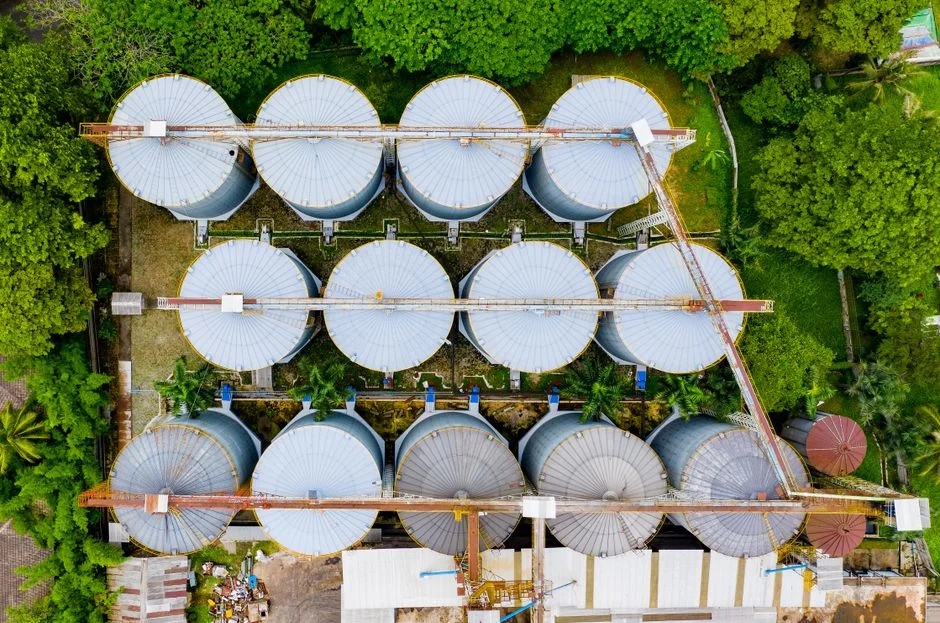
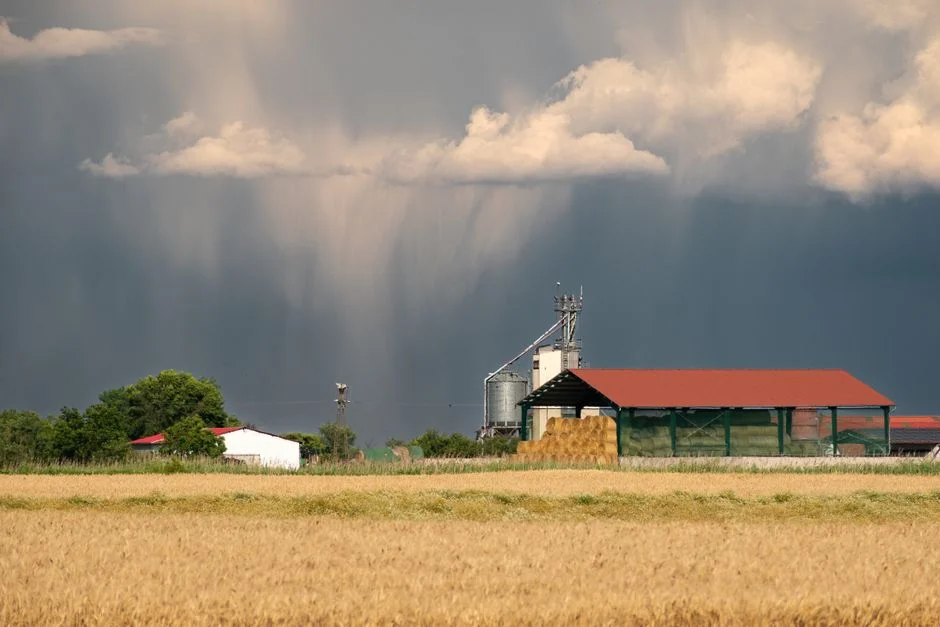
Rice is not a uniform commodity. Its storage characteristics differ significantly from other grains like wheat or corn. Paddy rice, with its protective husk, behaves differently than delicate milled white rice. Our design process always begins with understanding the specific rice variety (e.g., long-grain indica vs. short-grain japonica) and its intended state (paddy, brown, or milled). Rice is highly susceptible to moisture absorption and breakage. Milled rice, in particular, is brittle; incorrect flow patterns in a silo can generate excessive broken grains, reducing market value by 10-15%.
Grain flow properties refer to the measurable characteristics that determine how a bulk material flows under gravity. For rice, key parameters include the angle of repose, effective angle of internal friction, and wall friction angle, all of which are determined via shear cell testing (e.g., ISO 9507) and are essential for silo hopper design to prevent bridging or ratholing.
Core Design Considerations for Rice Silos
Designing a silo for rice involves balancing structural integrity with flow assurance and preservation. Here are the non-negotiable factors:
1. Material Selection and Corrosion Protection
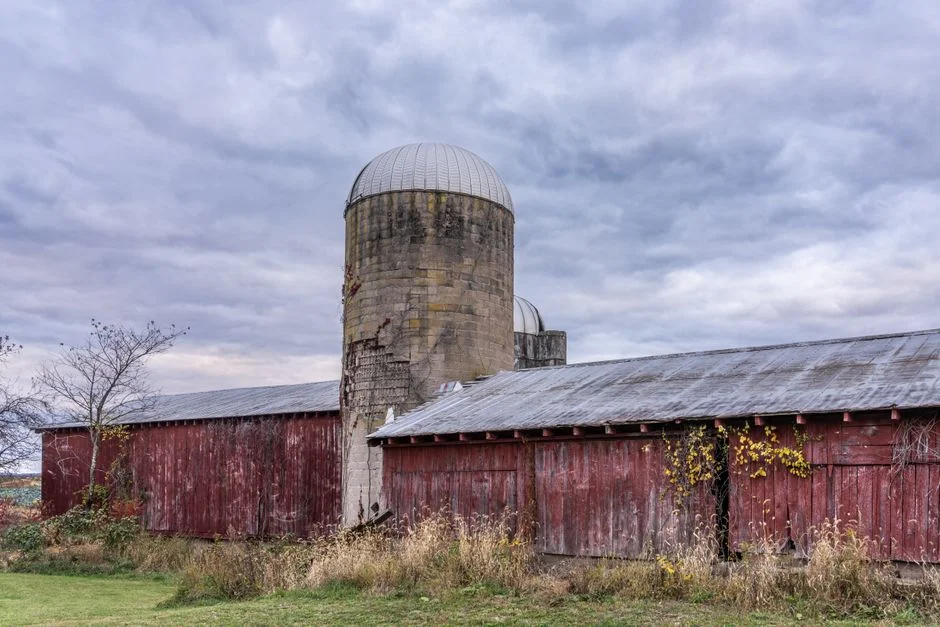
Galvanized steel (Z275 or Z350 coating) is the most common material for rice silos in tropical climates due to its strength-to-weight ratio and corrosion resistance. For large-scale, permanent installations, reinforced concrete is an option with superior longevity. We specify stainless steel (304 or 316) for internal components like ladders and distributors in silos storing premium milled rice to prevent rust contamination.
2. Hopper Design for Mass Flow
To ensure first-in, first-out (FIFO) discharge and prevent grain stagnation, we design for mass flow. This requires a steep hopper wall angle, typically 40-45 degrees from horizontal for paddy rice. A mass flow hopper ensures all stored material is in motion during discharge, eliminating dead zones where pests can breed or mold can form. This is critical for rice, which can form a stable arch if the hopper is too shallow.
| Parameter | Paddy Rice (with husk) | Milled White Rice | Impact on Silo Design |
|---|---|---|---|
| Bulk Density (kg/m³) | 580 - 620 | 750 - 850 | Milled rice requires stronger silo walls and foundations due to higher weight per unit volume. |
| Moisture Content (Safe for Storage) | 12 - 14% | 12 - 13.5% | Drives the need for precise drying systems and airtight seals to maintain this level. |
| Angle of Repose (Degrees) | 35 - 38 | 25 - 30 | Milled rice flows more easily but can be more prone to segregation and dust explosion risks. |
3. Aeration and Temperature Monitoring
Rice respires, generating heat and moisture. Without aeration, hot spots develop, leading to spoilage. A well-designed aeration system with perforated flooring and properly sized fans (0.5-1.0 m³/min/tonne) is essential. We install thermocouples in a grid pattern within the silo to provide real-time data. In our projects in Vietnam, implementing active aeration reduced temperature-induced quality loss by over 90%.
Installation, Commissioning, and Operational Best Practices
The silo's value is only realized with proper execution and operation. A typical project timeline from foundation pour to commissioning for a 2,000-tonne silo is 12-16 weeks. During commissioning, we conduct empty and full load tests, verify flow patterns with test materials, and calibrate all sensors.
- Pre-Storage Preparation: Silo must be cleaned, dried, and may be treated with food-safe pesticides (e.g., Diatomaceous Earth) if permitted.
- In-Storage Management: Monitor temperature weekly. Run aeration fans during cooler parts of the night to cool the grain mass. Rotate stock using FIFO principles.
- Pest Control: A fully sealed silo is the first line of defense. Combine this with regular inspection and pheromone traps for monitoring.
Frequently Asked Questions
Q: How much does a commercial rice storage silo cost per tonne of capacity?
A: The cost varies significantly based on material, automation, and location. For a galvanized steel silo in a developing country, expect a total installed cost of $30 to $60 per tonne of capacity. For a fully automated, concrete silo in a developed nation, the cost can range from $80 to $150 per tonne. This includes the silo structure, aeration system, instrumentation, and installation labor.
Q: What is the ideal moisture content for storing rice in a silo?
A: The safe moisture content for long-term storage is between 12% and 14%. Rice stored above 14% moisture is at high risk for mold growth and insect infestation. For milled white rice, we target the lower end of this range, around 12-13%, as it is more hygroscopic and fragile than paddy rice.
Q: How long can you store rice in a properly maintained silo?
A: With controlled conditions (temperature <18°C, RH <65%), high-quality paddy rice can be stored for 12-24 months with minimal loss in germination viability and milling quality. Milled white rice has a shorter optimal shelf life of 6-12 months before significant quality degradation occurs, even in ideal conditions.
Q: What is the difference between a flat-bottom and a hopper-bottom silo for rice?
A: A flat-bottom silo is cost-effective for large volumes (1,000+ tonnes) and uses a sweep auger for discharge, but it has dead storage. A hopper-bottom silo allows for complete, clean discharge via gravity but is more expensive per tonne of capacity and is typically used for smaller batches (<500 tonnes) or when complete turnover is critical.
Q: How often should a rice storage silo be inspected and maintained?
A: A visual inspection for structural integrity, seal condition, and pest activity should be conducted monthly. A thorough maintenance check, including aeration fan service, sensor calibration, and internal cleaning, should be performed annually, ideally between storage cycles. After each empty cycle, a complete internal inspection and cleaning is mandatory.
Q: Can the same silo be used for different types of rice and other grains?
A> While structurally possible, it is strongly discouraged. Cross-contamination of varieties can ruin batches. Furthermore, different grains (e.g., rice vs. wheat) have different flow properties, dust explosion risks, and moisture requirements. Dedicated silos ensure purity and optimize the storage environment for each specific commodity.