
Key Takeaways
- Proper coal moisture analysis is foundational, as moisture content above 15-20% can lead to severe material flow and plugging issues in chutes and silos.
- Dust control systems, including suppression and collection, are non-negotiable to prevent catastrophic dust explosions and ensure compliance with occupational safety standards.
- Conveyor belt selection must account for coal's abrasiveness; using belts with covers rated at 15-20 mm/100 rev (DIN 22121) can extend service life by over 30%.
- System redundancy, such as backup conveyors or silos, typically adds 10-15% to upfront capital costs but can prevent $50,000+ per hour in lost production during failures.
- Automation with level sensors and flow monitoring improves system efficiency by 20-30% and reduces manual intervention and safety risks.
- Proper chute and transfer point design is critical; an incorrectly angled chute can cause material spillage rates of 2-5% of throughput, leading to significant cleanup and waste.
Why Understanding Coal Properties is the First Step in System Design

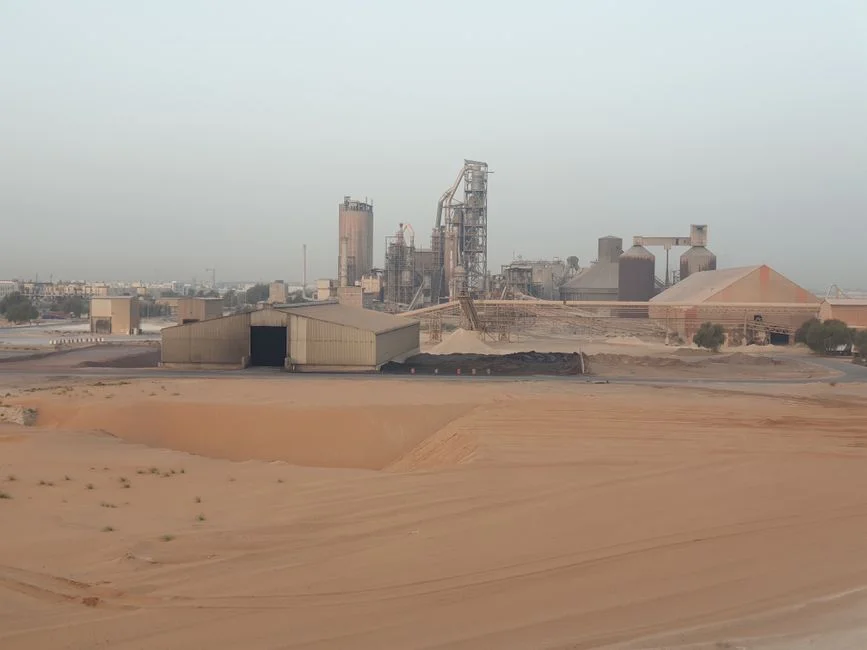
Coal is not a uniform material. Its characteristics—ash content, moisture, calorific value, and size distribution—dictate every downstream design decision. In our experience at Manxing Group, skipping detailed coal property analysis is the most common cause of system underperformance. A high-moisture, low-rank lignite behaves entirely differently from a dry, hard anthracite. We have seen plants designed with standard assumptions fail spectacularly when a new coal source with 25% moisture instead of the anticipated 12% was introduced, causing massive blockages in transfer chutes.
Key properties to characterize include:
- Moisture Content: Total moisture and surface moisture affect flow, sticking, and the potential for spontaneous combustion.
- Particle Size Distribution (PSD): From fines to lump coal, PSD determines the type of equipment needed, such as screens, crushers, and the design of transfer points to minimize segregation.
- Abrasion & Hardgrove Grindability Index (HGI): These determine the wear rate on conveyors, chutes, and grinding mills. High abrasion requires wear-resistant liners (e.g., AR400 steel, ceramics).
- Chemical Composition: High sulfur or ash content can influence downstream processes and requires specific handling to prevent corrosion or slagging.
How to Engineer for Safety: Managing Dust and Explosion Risks
Coal dust is both a health hazard and a severe explosion risk. Engineering controls must be layered. The primary strategy is dust suppression at the source—using water sprays at transfer points and along conveyor paths. The secondary layer is dust collection via baghouses or wet scrubbers to capture airborne particles. We must design systems per standards like NFPA 652 (Standard on the Fundamentals of Combustible Dust) and ATEX directives in Europe.
From a recent project in Vietnam, we integrated a foam suppression system at a critical crusher discharge point, which reduced airborne dust by over 85% compared to traditional water sprays, while using 60% less water. This not only improved safety but also reduced the thermal degradation of the coal.
| Method | Effectiveness | Key Consideration |
|---|---|---|
| Water Sprays | Good (60-70% suppression) | Increases moisture, potential for freezing in cold climates. |
| Foam Suppression | Excellent (80-90% suppression) | Lower water use, better for sticky coals, higher initial cost. |
| Enclosed Dust Collection | Excellent (captures emissions) | Requires ductwork, filters, and fans; high capital and maintenance cost. |
| Sealed Transfer Chutes | High (prevents escape) | Must be precisely engineered for material flow; risk of blockage. |
Optimizing Material Flow: From Chute to Silo
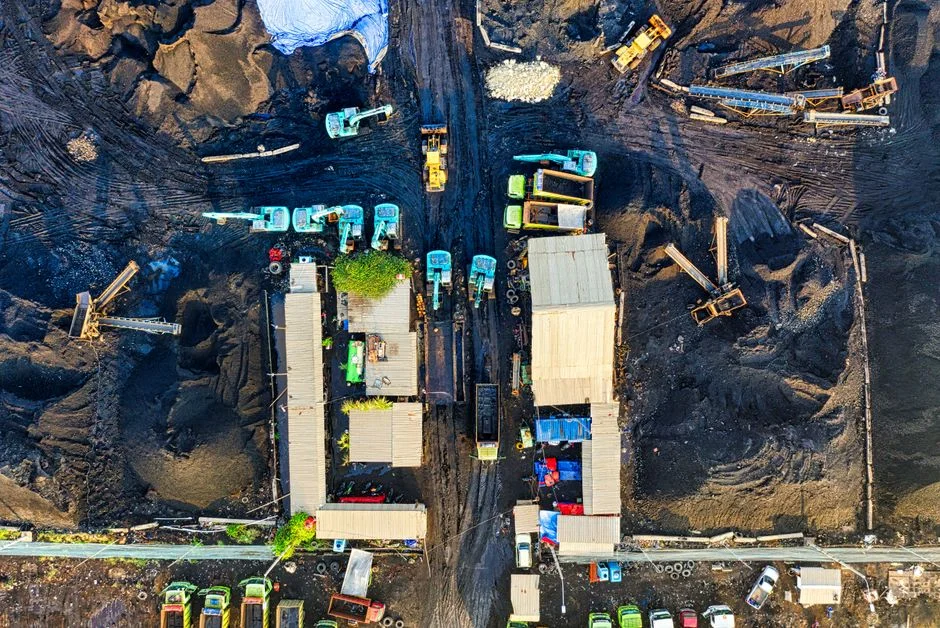
Ensuring uninterrupted flow of coal is the core of operational efficiency. Blockages in chutes or arching and ratholing in silos can halt entire power plants. The design must consider the angle of repose and internal friction angle of the specific coal. For example, a chute for sticky, high-moisture coal should have a steeper angle (typically 10-15 degrees steeper than the angle of repose) and a larger cross-section.
For storage silos, the choice between a flat-bottom silo for larger capacities (e.g., >5,000 tons) and a conical hopper bottom for smaller, more frequent discharge cycles is critical. In our silo design practice, we use computational modeling to simulate coal flow patterns, preventing segregation where fine particles concentrate in the center. We also install aeration pads or vibrators on silo walls to break down coal bridges that form with cohesive materials.
Selecting the Right Equipment: Conveyors, Feeders, and Screens
The selection of mechanical equipment must be robust enough for continuous duty cycles. Here are our field-tested guidelines:
- Conveyor Belts: For coal, we specify belts with minimum 10mm top cover thickness. For high-abrasion applications, covers rated to DIN 22102 are essential. Drive systems should have a starting torque factor of at least 1.5-2.0 times the running torque to handle startup loads with settled coal.
- Feeders: Apron feeders are preferred for primary unloading from railcars or trucks due to their robustness. Vibrating feeders are excellent for controlled, even feeding to crushers or belts.
- Screens and Crushers: Sizing screens are critical for removing oversize material before it enters the system. The crusher choice (e.g., ring granulator vs. impact crusher) depends on the desired product size and coal hardness.
Integrating Automation for Predictive and Efficient Operations
Modern coal handling systems are no longer just mechanical; they are integrated, data-driven operations. We implement SCADA systems with sensors at critical points: belt scales for mass flow measurement, microwave switches for level detection in chutes and silos, and vibration sensors on motor bearings for predictive maintenance. On a project in India, adding this instrumentation reduced unplanned stoppages by 35% in the first year, as maintenance could be scheduled based on actual equipment condition rather than fixed intervals.
Frequently Asked Questions
How much does a coal handling system typically cost?
The cost varies dramatically with capacity, complexity, and location. For a medium-sized power plant (1,000-2,000 MW), the coal handling system can represent 8-12% of the total plant cost, often ranging from $50 million to $120 million. Key cost drivers include the length of conveyor systems, the level of automation, and the stringentness of environmental controls required by local regulations.
What is the expected lifespan of a coal handling system?
With proper design, quality materials, and a consistent maintenance regime, the structural components (silos, chutes) can last 30-40 years. However, mechanical components like conveyor idlers, belts, and motor drives have shorter lifespans. A typical high-quality conveyor belt will last 5-7 years, while idlers may need replacement every 3-5 years depending on the load and environment. Strategic use of wear liners can extend chute and hopper life to over 20 years.
How does coal moisture affect system design?
Moisture is a critical design variable. High-moisture coal (over 20%) increases flow resistance, leading to plugging in narrow chutes and hoppers. It necessitates steeper angles, larger cross-sections, and often the use of flow-aid devices like air cannons or vibrators. Furthermore, high moisture reduces the coal's calorific value and can lead to increased corrosion in steel structures if not properly managed.
What are the most common failure modes in coal handling systems?
The most frequent failures we diagnose are: 1) Belt misalignment and damage from spilled material; 2) Chute blockages due to incorrect design angles or wet coal; 3) Dust system clogging from inadequate filter cleaning; and 4) Structural wear on liners and impact zones at transfer points. Preventing these requires careful initial design, proper material specification, and proactive monitoring.
Can an existing coal handling system be upgraded for higher capacity?
Yes, often it can be. Common upgrades include replacing motors and gearboxes with higher-rated units, widening conveyor belts, installing more powerful feeders, and enhancing the dust collection system's capacity. However, a thorough engineering assessment is vital, as upgrading one component can create a bottleneck in another. We have successfully retrofitted systems for 20-30% capacity increases by addressing all constraints systematically.