
Key Takeaways
- Building a 10,000-tonne wheat silo complex typically requires an initial CAPEX of $2.5 - $4 million, while leasing equivalent capacity may cost $150,000 - $250,000 annually.
- The breakeven point where building becomes more economical than leasing usually occurs between 3 to 7 years, depending on material, location, and interest rates.
- Leasing avoids upfront debt, improves short-term liquidity, and transfers construction risk and some maintenance obligations to the lessor.
- Customization is a key differentiator: owned silos can be engineered with precise flow, aeration, and automation specs, whereas leased units offer standard configurations.
- Tax treatment varies: building allows for depreciation (e.g., 7-year MACRS in the U.S.) and potential capital allowances, while lease payments are fully deductible as operating expenses.
- Industry data shows the global bulk storage market is projected to grow at a CAGR of 4.8% from 2023-2028, making strategic capacity planning essential.
Why Your Initial Capacity Decision Sets the Financial Trajectory

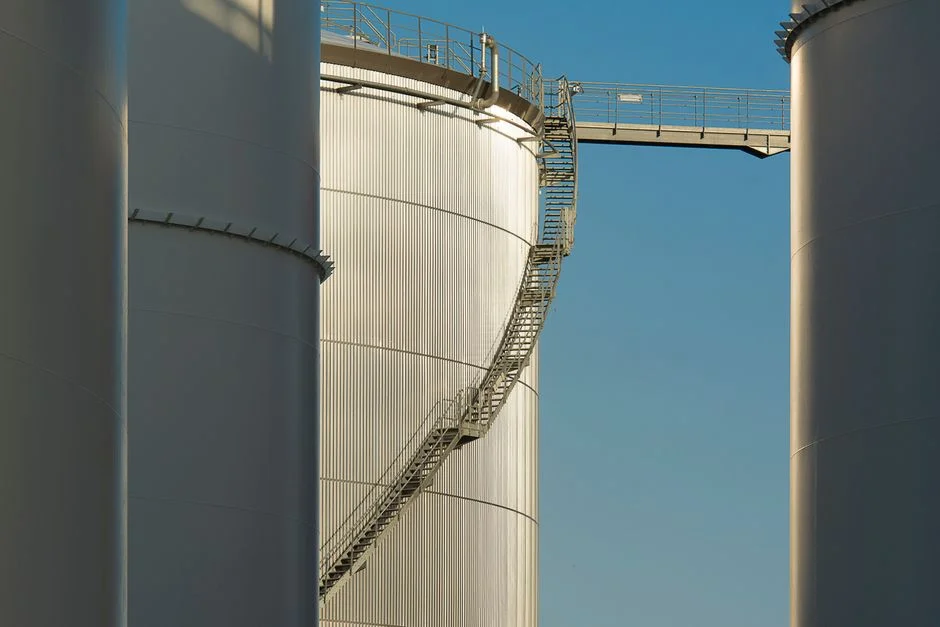
As an engineer who has overseen projects from the Gulf Coast to Southeast Asia, I've seen the lease vs. build debate hinge on one fundamental question: Is storage a core strategic asset or a transient operational need? Building a silo is a 25-30 year commitment to an asset, whereas leasing is a flexible, operational expense. The economics of each path are dictated by project scale, required lifespan, and your company's balance sheet priorities.
Deconstructing the Build (CAPEX) Pathway: A 10-Year Financial Model
When you build, you're investing in an asset. The upfront CAPEX is significant. For a standard 10,000-metric-tonne corrugated steel grain silo with auxiliary systems (leg, conveyor, catwalk), the installed cost typically ranges from $250 to $350 per tonne of capacity. This includes:
- Silo & Structure (60%): $150 - $210 per tonne for materials and erection, referencing API 650 or EN 14015 standards.
- Foundation (15%): $37.5 - $52.5 per tonne, heavily influenced by soil bearing capacity.
- Handling & Automation (25%): $62.5 - $87.5 per tonne for conveyors, elevators, and control systems.
The long-term economics favor ownership. With proper maintenance (budget 1-2% of asset value annually), a well-built silo's primary costs are de minimis after year 15. The 30-year lifecycle cost per tonne of stored material is significantly lower than perpetual leasing.
Evaluating the Lease (OPEX) Pathway: Flexibility at a Premium
Leasing converts a large capital outlay into a predictable operating expense, which can be attractive for seasonal operations or testing new markets. However, you pay a premium for this flexibility.
| Cost Component | BUILD (CAPEX + OPEX) | LEASE (OPEX Only) |
|---|---|---|
| Year 0 - Initial Outlay | $3,000,000 (Purchase) | $180,000 (First Year's Lease) |
| Annual Operating Costs (Maintenance, Insurance, Property Tax) |
$45,000 (Years 1-30) | Typically included or capped in lease |
| Annual Lease Payment | N/A | $180,000 (Assumed 3% annual escalation) |
| 10-Year Cumulative Cost | $3,450,000 (CAPEX + 10 yrs OPEX) | $2,060,000 (10 lease payments) |
| 20-Year Cumulative Cost | $3,900,000 | $5,150,000 (Est. with escalations) |
| Asset Value at Year 10 | ~$1.2M (Depreciated Book Value) | $0 |
Note: Figures are illustrative. Actual costs vary by region, material choice, and market conditions. Financing costs (interest) for the build option are not included here but would further delay the breakeven point.
The Critical Decision Framework: 4 Factors That Tip the Scales
From my experience commissioning over 200 silos, here are the decisive factors:
- Projected Usage Duration: If the storage need is definitively less than 5-7 years, leasing almost always wins. For 10+ years, building merits serious analysis.
- Location & Land Tenure: Building requires secure, long-term land ownership or lease. Leasing storage can utilize a third party's land, reducing your site risk.
- Material & Operational Specificity: Are you storing hygroscopic cement or free-flowing plastic pellets? Building allows for bespoke silo geometry, pressure relief, aeration, and lining systems that leased units rarely offer.
- Cash Flow & Corporate Strategy: Start-ups and project-based ventures often lack the capital or balance sheet strength for CAPEX. Established agri-processors or miners often view owned silos as essential infrastructure to control supply chains.
How to Model Your Specific Break-Even Point
Perform a Net Present Value (NPV) analysis. The formula considers the time value of money. The point where the NPV of building's cash outflows becomes less negative than the NPV of leasing's cash outflows is your break-even year. In our models, using a 8% discount rate, a standard grain silo project typically breaks even in **Year 6 or 7**. After that, every year of operation under the owned model generates increasing cost savings.
Frequently Asked Questions
Q: What are the hidden costs not included in a basic lease vs. build comparison?
A: Beyond the obvious CAPEX and lease payments, you must account for financing costs (interest on a construction loan), land preparation, permitting fees, and utility connections for building. For leasing, watch for fees related to move-in, customization, excess wear, and steep penalties for early termination. Always request a full lease agreement breakdown.
Q: Can I deduct the cost of a built silo for tax purposes?
A: Yes, absolutely. In many jurisdictions, silos are classified as depreciable industrial assets. For example, in the U.S., they typically fall under a 7-year MACRS depreciation schedule. You can depreciate the asset's cost against your taxable income over its useful life. Lease payments are generally deductible as ordinary business expenses in the year they are paid.
Q: How does the lease vs. build decision affect my insurance premiums?
A: When you build and own a silo, you are responsible for comprehensive property insurance, including coverage for the structure, business interruption, and liability. This can be a significant annual cost. With a full-service lease, structural insurance is often the lessor's responsibility, potentially simplifying and reducing your direct insurance obligations.
Q: What is the typical residual value of a silo after 15 years?
A: The residual value depends heavily on maintenance, material, and location. A well-maintained galvanized steel silo can retain 40-60% of its structural value at 15 years. However, its functional value to the original owner may be lower if it no longer meets operational needs. In some cases, silos can be refurbished, relocated, or sold for scrap value ($50-$100 per tonne for steel).
Q: Are there hybrid options between a traditional lease and a full build?
A: Yes, several hybrid models exist. You can explore a **build-to-suit lease**, where a developer builds a silo to your specifications and leases it back to you, often with a purchase option. Another option is a long-term **capital lease (finance lease)**, which is treated more like an asset purchase on the balance sheet and may allow you to own the silo at the end of the term for a nominal fee.